

Categories
- Antiques & Collectibles 13
- Architecture 36
- Art 48
- Bibles 22
- Biography & Autobiography 816
- Body, Mind & Spirit 145
- Business & Economics 32
- Children's Books 15
- Children's Fiction 13
- Computers 4
- Cooking 94
- Crafts & Hobbies 4
- Drama 346
- Education 68
- Family & Relationships 62
- Fiction 11845
- Foreign Language Study 2
- Games 19
- Gardening 17
- Health & Fitness 36
- History 1383
- House & Home 1
- Humor 147
- Juvenile Fiction 1884
- Juvenile Nonfiction 202
- Language Arts & Disciplines 89
- Law 16
- Literary Collections 687
- Literary Criticism 180
- Mathematics 13
- Medical 43
- Music 40
- Nature 181
- Non-Classifiable 1768
- Performing Arts 7
- Periodicals 1453
- Philosophy 65
- Photography 2
- Poetry 898
- Political Science 206
- Psychology 44
- Reference 154
- Religion 516
- Science 128
- Self-Help 89
- Social Science 84
- Sports & Recreation 34
- Study Aids 3
- Technology & Engineering 60
- Transportation 23
- Travel 463
- True Crime 29
William Michael Rossetti
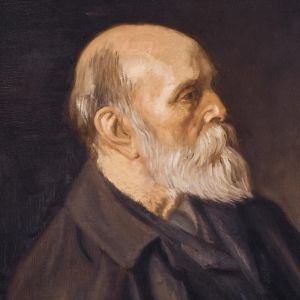
William Michael Rossetti (1829–1919) was a British writer, art critic, and prominent member of the Pre-Raphaelite Brotherhood. He played a key role in promoting the work of his siblings, including his brother Dante Gabriel Rossetti and sister Christina Rossetti, both famous poets. Rossetti edited several influential works, such as "The Germ," the Brotherhood’s journal, and also compiled Christina Rossetti’s poetry into anthologies. His writings on art and his memoirs offer valuable insights into Victorian literature and culture, making him a notable figure in 19th-century literary circles.
Author's Books:
Sort by:
During the summer of 1867 I had the opportunity (which I had often wished for) of expressing in print my estimate and admiration of the works of the American poet Walt Whitman.[1] Like a stone dropped into a pond, an article of that sort may spread out its concentric circles of consequences. One of these is the invitation which I have received to edit a selection from Whitman's writings; virtually...
more...
CHAPTER I. A truism must do duty as my first sentence. There are long lives, and there are eventful lives: there are also short lives, and uneventful ones. Keats’s life was both short and uneventful. To the differing classes of lives different modes of treatment may properly be applied by the biographer. In the case of a writer whose life was both long and eventful, I might feel disposed to carry the...
more...