

Categories
- Antiques & Collectibles 13
- Architecture 36
- Art 48
- Bibles 22
- Biography & Autobiography 815
- Body, Mind & Spirit 144
- Business & Economics 28
- Children's Books 15
- Children's Fiction 12
- Computers 4
- Cooking 94
- Crafts & Hobbies 4
- Drama 346
- Education 63
- Family & Relationships 59
- Fiction 11839
- Foreign Language Study 1
- Games 19
- Gardening 17
- Health & Fitness 35
- History 1382
- House & Home 1
- Humor 147
- Juvenile Fiction 1873
- Juvenile Nonfiction 202
- Language Arts & Disciplines 89
- Law 16
- Literary Collections 687
- Literary Criticism 179
- Mathematics 13
- Medical 43
- Music 40
- Nature 181
- Non-Classifiable 1768
- Performing Arts 7
- Periodicals 1453
- Philosophy 65
- Photography 2
- Poetry 897
- Political Science 205
- Psychology 44
- Reference 154
- Religion 516
- Science 128
- Self-Help 86
- Social Science 83
- Sports & Recreation 34
- Study Aids 3
- Technology & Engineering 60
- Transportation 23
- Travel 463
- True Crime 29
William Combe
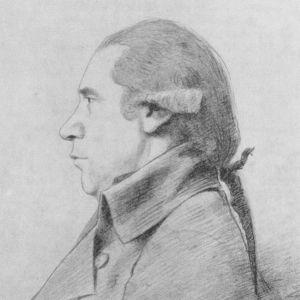
William Combe (1742–1823) was an English writer and satirist, best known for his comic verse and satirical works. He is most famous for writing "The Three Tours of Doctor Syntax," a humorous series illustrated by Thomas Rowlandson, which parodied the picturesque travel literature of the time. Combe was a prolific author and contributed to numerous periodicals, often under pseudonyms. Despite his success, he struggled financially throughout his life, spending time in debtors' prison.
Author's Books:
Sort by:

by:
William Combe
Too long have Britain’s sons with proud disdainSurvey’d the gay Patrician’s titled train,Their various merit scann’d with eye severe,Nor learn’d to know the peasant from the peer:At length the Gothic ignorance is o’er,And vulgar brows shall scowl on LORDS no more;Commons shall shrink at each ennobled nod,And ev’ry lordling shine a demigod:By CRAVEN taught, the humbler herd shall know,How...
more...

by:
William Combe
CELEBRATED DUTCHESS. MADAM, I am rather apprehensive that you will rank me among the Impertinents of the Age, in giving a performance which treats professedly of the Triumphs of Folly, the Sanction of Your Grace. But tho', in the too great quickness of apprehension, this may be the case; I have not the least doubt but, in some succeeding moments of coolness and candour, you will accompany me...
more...