

Categories
- Antiques & Collectibles 13
- Architecture 36
- Art 48
- Bibles 22
- Biography & Autobiography 816
- Body, Mind & Spirit 145
- Business & Economics 30
- Children's Books 15
- Children's Fiction 12
- Computers 4
- Cooking 94
- Crafts & Hobbies 4
- Drama 346
- Education 64
- Family & Relationships 59
- Fiction 11841
- Foreign Language Study 2
- Games 19
- Gardening 17
- Health & Fitness 35
- History 1383
- House & Home 1
- Humor 147
- Juvenile Fiction 1884
- Juvenile Nonfiction 202
- Language Arts & Disciplines 89
- Law 16
- Literary Collections 687
- Literary Criticism 179
- Mathematics 13
- Medical 43
- Music 40
- Nature 181
- Non-Classifiable 1768
- Performing Arts 7
- Periodicals 1453
- Philosophy 65
- Photography 2
- Poetry 897
- Political Science 205
- Psychology 44
- Reference 154
- Religion 516
- Science 128
- Self-Help 87
- Social Science 83
- Sports & Recreation 34
- Study Aids 3
- Technology & Engineering 60
- Transportation 23
- Travel 463
- True Crime 29
V. G. (Vladimir Grigorevich) Chertkov
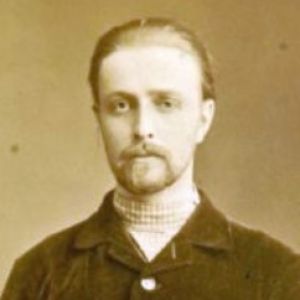
Vladimir Grigorevich Chertkov (1854–1936) was a prominent Russian writer, editor, and close associate of Leo Tolstoy. He became one of the leading figures in the Tolstoyan movement and was instrumental in disseminating Tolstoy's religious and philosophical works. Chertkov played a key role in publishing Tolstoy's later writings, including editing and compiling "The Posthumous Works of Leo Tolstoy." His deep influence over Tolstoy's life and legacy sparked tensions with Tolstoy's family, particularly his wife, Sofya Tolstaya.
Author's Books:
Sort by:

Again war. Again sufferings, necessary to nobody, utterly uncalled for; again fraud; again the universal stupefaction and brutalization of men. Men who are separated from each other by thousands of miles, hundreds of thousands of such men (on the one hand—Buddhists, whose law forbids the killing, not only of men, but of animals; on the other hand—Christians, professing the law of brotherhood and...
more...

Mr. Crosby's article on Shakespeare's attitude toward the working classes suggested to me the idea of also expressing my own long-established opinion about the works of Shakespeare, in direct opposition, as it is, to that established in all the whole European world. Calling to mind all the struggle of doubt and self-deceit,—efforts to attune myself to Shakespeare—which I went through...
more...