

Categories
- Antiques & Collectibles 13
- Architecture 36
- Art 48
- Bibles 22
- Biography & Autobiography 816
- Body, Mind & Spirit 145
- Business & Economics 32
- Children's Books 15
- Children's Fiction 13
- Computers 4
- Cooking 94
- Crafts & Hobbies 4
- Drama 346
- Education 64
- Family & Relationships 62
- Fiction 11848
- Foreign Language Study 2
- Games 19
- Gardening 17
- Health & Fitness 36
- History 1383
- House & Home 1
- Humor 147
- Juvenile Fiction 1884
- Juvenile Nonfiction 202
- Language Arts & Disciplines 89
- Law 16
- Literary Collections 687
- Literary Criticism 179
- Mathematics 13
- Medical 43
- Music 40
- Nature 181
- Non-Classifiable 1768
- Performing Arts 7
- Periodicals 1453
- Philosophy 65
- Photography 2
- Poetry 897
- Political Science 206
- Psychology 44
- Reference 154
- Religion 516
- Science 128
- Self-Help 89
- Social Science 84
- Sports & Recreation 34
- Study Aids 3
- Technology & Engineering 60
- Transportation 23
- Travel 463
- True Crime 29
St. John G. (St. John Greer) Ervine
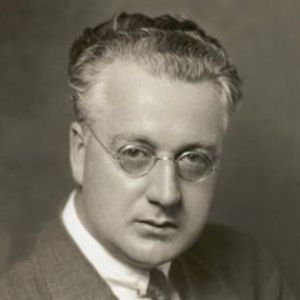
St. John Greer Ervine (1883–1971) was an Irish playwright, novelist, and critic known for his contribution to Irish drama and his association with the Abbey Theatre in Dublin. He is best known for his plays "Mixed Marriage" (1911) and "Jane Clegg" (1913), which explore social and domestic issues. In addition to drama, Ervine wrote novels, including "Alice and a Family" (1929), and was a prominent critic, notably serving as a theater critic for "The Observer." His work is often noted for its realist portrayal of working-class life and its exploration of Irish identity.
Author's Books:
Sort by:
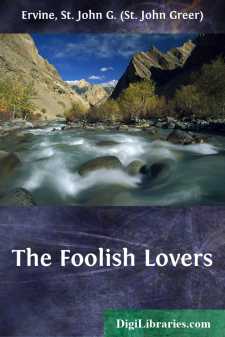
THE FIRST CHAPTER I If you were to say to an Ulster man, "Who are the proudest people in Ireland?" he would first of all stare at you as if he had difficulty in believing that any intelligent person could ask a question with so obvious an answer, and then he would reply, "Why, the Ulster people, of course!" And if you were to say to a Ballyards man, "Who are the proudest people in...
more...
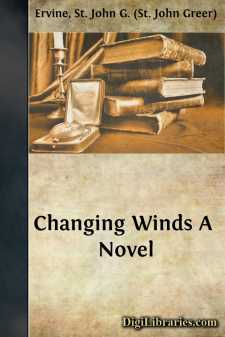
It would be absurd to say of Mr. Quinn that he was an ill-tempered man, but it would also be absurd to say that he was of a mild disposition. William Henry Matier, a talker by profession and a gardener in his leisure moments, summarised Mr. Quinn's character thus: "He'd ate the head off you, thon lad would, an' beg your pardon the minute after!" That, on the whole, was a just and...
more...