

Categories
- Antiques & Collectibles 13
- Architecture 36
- Art 48
- Bibles 22
- Biography & Autobiography 815
- Body, Mind & Spirit 144
- Business & Economics 28
- Children's Books 15
- Children's Fiction 11
- Computers 4
- Cooking 94
- Crafts & Hobbies 4
- Drama 346
- Education 62
- Family & Relationships 59
- Fiction 11838
- Foreign Language Study 1
- Games 19
- Gardening 17
- Health & Fitness 35
- History 1381
- House & Home 1
- Humor 147
- Juvenile Fiction 1873
- Juvenile Nonfiction 202
- Language Arts & Disciplines 89
- Law 16
- Literary Collections 687
- Literary Criticism 179
- Mathematics 13
- Medical 43
- Music 40
- Nature 180
- Non-Classifiable 1768
- Performing Arts 7
- Periodicals 1453
- Philosophy 65
- Photography 2
- Poetry 897
- Political Science 205
- Psychology 44
- Reference 154
- Religion 515
- Science 127
- Self-Help 86
- Social Science 83
- Sports & Recreation 34
- Study Aids 3
- Technology & Engineering 60
- Transportation 23
- Travel 463
- True Crime 29
Percy Lubbock
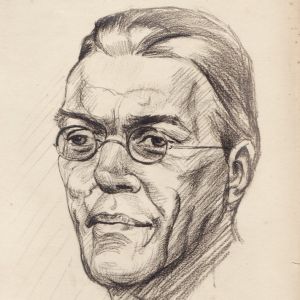
Percy Lubbock (1879–1965) was a British literary critic and writer, best known for his influential book "The Craft of Fiction" (1921). In this work, Lubbock analyzed narrative techniques in novels and offered a detailed discussion on the role of the author in shaping a reader's experience. His emphasis on point of view and the structure of narrative significantly influenced modern literary criticism. Lubbock was also a novelist and a member of the Bloomsbury Group, contributing to the intellectual discourse of his time.
Author's Books:
Sort by:
by:
Percy Lubbock
SIR THOMAS MALORY 15th century DEATH OF SIR GAWAINE And so, as Sir Mordred was at Dover with his host, there came King Arthur with a great navy of ships, galleys, and carracks. And there was Sir Mordred ready waiting upon his landing, to let his own father to land upon the land that he was king of. Then was there launching of great boats and small, and all were full of noble men of arms; and there was...
more...
by:
Percy Lubbock
THE CRAFT OF FICTION To grasp the shadowy and fantasmal form of a book, to hold it fast, to turn it over and survey it at leisure—that is the effort of a critic of books, and it is perpetually defeated. Nothing, no power, will keep a book steady and motionless before us, so that we may have time to examine its shape and design. As quickly as we read, it melts and shifts in the memory; even at the...
more...