

Categories
- Antiques & Collectibles 13
- Architecture 36
- Art 48
- Bibles 22
- Biography & Autobiography 816
- Body, Mind & Spirit 145
- Business & Economics 32
- Children's Books 15
- Children's Fiction 13
- Computers 4
- Cooking 94
- Crafts & Hobbies 4
- Drama 346
- Education 65
- Family & Relationships 62
- Fiction 11848
- Foreign Language Study 2
- Games 19
- Gardening 17
- Health & Fitness 36
- History 1383
- House & Home 1
- Humor 147
- Juvenile Fiction 1884
- Juvenile Nonfiction 202
- Language Arts & Disciplines 89
- Law 16
- Literary Collections 687
- Literary Criticism 179
- Mathematics 13
- Medical 43
- Music 40
- Nature 181
- Non-Classifiable 1768
- Performing Arts 7
- Periodicals 1453
- Philosophy 65
- Photography 2
- Poetry 898
- Political Science 206
- Psychology 44
- Reference 154
- Religion 516
- Science 128
- Self-Help 89
- Social Science 84
- Sports & Recreation 34
- Study Aids 3
- Technology & Engineering 60
- Transportation 23
- Travel 463
- True Crime 29
Patrick MacGill
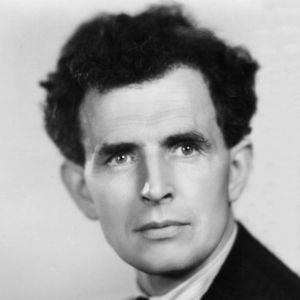
Patrick MacGill (1889–1963) was an Irish writer known for his works depicting the harsh realities of laborers and soldiers. He gained fame with his early books like "Children of the Dead End" (1914), a semi-autobiographical novel about his experiences as a farm laborer and navvy. MacGill served in World War I, and his wartime experiences inspired several works, including "The Great Push" (1916), which provided a vivid account of life in the trenches. Often referred to as "The Navvy Poet," MacGill's writing is marked by its raw realism and deep empathy for the working class.
Author's Books:
Sort by:

by:
Patrick MacGill
RED HORIZON The Passing of the Regiment I wish the sea were not so wideThat parts me from my love;I wish the things men do belowWere known to God above. I wish that I were back againIn the glens of Donegal;They'll call me coward if I return,But a hero if I fall. "Is it better to be a living coward,Or thrice a hero dead?""It's better to go to sleep, my lad,"The Colour Sergeant...
more...

by:
Patrick MacGill
CHAPTER I What the psychological processes were that led to my enlisting in "Kitchener's Army" need not be inquired into. Few men could explain why they enlisted, and if they attempted they might only prove that they had done as a politician said the electorate does, the right thing from the wrong motive. There is a story told of an incident that occurred in Flanders, which shows clearly...
more...