

Categories
- Antiques & Collectibles 13
- Architecture 36
- Art 48
- Bibles 22
- Biography & Autobiography 816
- Body, Mind & Spirit 145
- Business & Economics 30
- Children's Books 15
- Children's Fiction 13
- Computers 4
- Cooking 94
- Crafts & Hobbies 4
- Drama 346
- Education 64
- Family & Relationships 62
- Fiction 11847
- Foreign Language Study 2
- Games 19
- Gardening 17
- Health & Fitness 36
- History 1383
- House & Home 1
- Humor 147
- Juvenile Fiction 1884
- Juvenile Nonfiction 202
- Language Arts & Disciplines 89
- Law 16
- Literary Collections 687
- Literary Criticism 179
- Mathematics 13
- Medical 43
- Music 40
- Nature 181
- Non-Classifiable 1768
- Performing Arts 7
- Periodicals 1453
- Philosophy 65
- Photography 2
- Poetry 897
- Political Science 205
- Psychology 44
- Reference 154
- Religion 516
- Science 128
- Self-Help 88
- Social Science 83
- Sports & Recreation 34
- Study Aids 3
- Technology & Engineering 60
- Transportation 23
- Travel 463
- True Crime 29
L. T. Meade
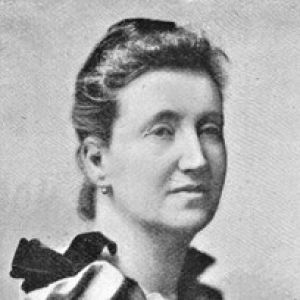
L. T. Meade, born Elizabeth Thomasina Meade Smith in 1844, was an Irish author best known for her prolific output of over 300 books, particularly in the genres of children's literature, mystery, and adventure. She was a pioneering figure in popularizing the girls' school story genre and co-authored several early detective novels. Her works often featured strong female protagonists and addressed themes of independence and social issues.
Author's Books:
Sort by:

by:
L. T. Meade
CHAPTER I YES OR NO Haddo Court had been a great school for girls for many generations. In fact, for considerably over a century the Court had descended from mother to daughter, who invariably, whatever her husband’s name, took the name of Haddo when she became mistress of the school. The reigning mistress might sometimes be unmarried, sometimes the reverse; but she was always, in the true sense of...
more...

by:
L. T. Meade
CHAPTER I THE FASCINATING MAGGIE Cicely Cardew and her sister Merry were twins. At the time when this story opens they were between fifteen and sixteen years of age. They were bright, amiable, pretty young girls, who had never wanted for any pleasure or luxury during their lives. Their home was a happy one. Their parents were affectionate and lived solely for them. They were the only children, and were...
more...

by:
L. T. Meade
OPENING THE SCHOOL. Mrs. Merriman and Lucy were standing at the white gates of Sunnyside, waiting for the arrival of the girls. Mrs. Merriman had soft brown hair, soft brown eyes to match, and a kindly, gentle face. Lucy was somewhat prim, very neat in her person, with thick fair hair which she wore in two long plaits far below her waist, a face full of intensity and determination, and a slightly set...
more...
by:
L. T. Meade
CHAPTER I. THE RICH CHARLOTTE. The room had three occupants, two were men, the third a woman. The men were middle-aged and gray-haired, the woman on the contrary was in the prime of youth; she was finely made, and well proportioned. Her face was perhaps rather too pale, but the eyes and brow were noble, and the sensitive mouth showed indications of heart as well as intellect. The girl, or rather young...
more...

by:
L. T. Meade
CHAPTER I. Philip Ogilvie and his pretty wife were quarrelling, as their custom was, in the drawing-room of the great house in Belgrave Square, but the Angel in the nursery upstairs knew nothing at all about that. She was eight years old, and was, at that critical moment when her father and mother were having words which might embitter all their lives, and perhaps sever them for ever, unconsciously and...
more...

by:
L. T. Meade
CHAPTER I. "You are the comfort of my life, Effie. If you make up your mind to go away, what is to become of me?" The speaker was a middle-aged woman. She was lying on a sofa in a shabby little parlor. The sofa was covered with horse-hair, the room had a faded paper, and faded chintz covered the shabby furniture. The woman's pleading words were emphasized by her tired eyes and worn face....
more...
by:
L. T. Meade
CHAPTER I. BIG BEN'S VOICE. Sue made a great effort to push her way to the front of the crowd. The street preacher was talking, and she did not wish to lose a word. She was a small, badly made girl, with a freckled face and hair inclined to red, but her eyes were wonderfully blue and intelligent. She pushed and pressed forward into the thick of the crowd. She felt a hand on her shoulder, and...
more...

by:
L. T. Meade
CHAPTER I. “GOOD-BYE” TO THE OLD LIFE. “Me want to see Hetty,” said an imperious baby voice. “No, no; not this morning, Miss Nan, dear.” “Me do want to see Hetty,” was the quick, impatient reply. And a sturdy indignant little face looked up at Nurse, to watch the effect of the last decisive words. Finding no affirmative reply on Nurse’s placid face, the small lips closed firmly—two...
more...

by:
L. T. Meade
CHAPTER I. NAN'S GOLDEN MANE. It was a perfect summer's evening. The sun had just set, and purple, gold, violet, rose colour still filled the sky in the west. There was a tender new moon, looking like a silver bow, also to be seen; before long the evening star would be visible. Hester Thornton stepped out of the drawing-room at the Grange, and, walking a little way down the broad gravel...
more...

by:
L. T. Meade
CHAPTER I. Of course there was a baby in the case—a baby and mongrel dog, and a little boy and girl. They baby was small, and not particularly fair, but it had round limbs and a dimple or two, and a soft, half-pathetic, half-doggy look in its blue eyes, and the usual knack, which most helpless little babies have, of twining itself round the hearts of those who took care of it. The caretakers of...
more...