

Categories
- Antiques & Collectibles 13
- Architecture 36
- Art 48
- Bibles 22
- Biography & Autobiography 813
- Body, Mind & Spirit 142
- Business & Economics 28
- Children's Books 14
- Children's Fiction 11
- Computers 4
- Cooking 94
- Crafts & Hobbies 4
- Drama 346
- Education 46
- Family & Relationships 57
- Fiction 11829
- Games 19
- Gardening 17
- Health & Fitness 34
- History 1377
- House & Home 1
- Humor 147
- Juvenile Fiction 1873
- Juvenile Nonfiction 202
- Language Arts & Disciplines 88
- Law 16
- Literary Collections 686
- Literary Criticism 179
- Mathematics 13
- Medical 41
- Music 40
- Nature 179
- Non-Classifiable 1768
- Performing Arts 7
- Periodicals 1453
- Philosophy 64
- Photography 2
- Poetry 896
- Political Science 203
- Psychology 42
- Reference 154
- Religion 513
- Science 126
- Self-Help 84
- Social Science 81
- Sports & Recreation 34
- Study Aids 3
- Technology & Engineering 59
- Transportation 23
- Travel 463
- True Crime 29
Henry Woodd Nevinson
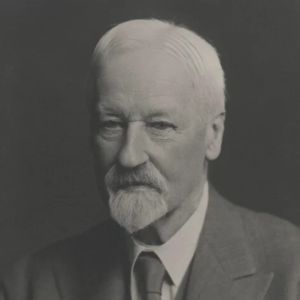
Henry Woodd Nevinson (1856–1941) was a British war correspondent, journalist, and author known for his vivid reporting and humanitarian activism. He covered key conflicts like the Boer War, the Russo-Japanese War, and World War I, bringing attention to issues of slavery and social injustice. His notable works include "A Modern Slavery," which exposed the horrors of slavery in Angola, and "The Dardanelles Campaign," where he detailed his experiences during the Gallipoli campaign. Nevinson was also deeply involved in political movements, advocating for women's suffrage and aligning with socialist causes.
Author's Books:
Sort by:

CHAPTER I ON THE EDGE NEWCASTLE, NATAL, Thursday, October 5, 1899. Late last Sunday night I found myself slowly crawling towards the front from Pretoria in a commandeered train crammed full of armed Boers and their horses. I had rushed from the Cape to quiet little Bloemfontein, the centre of one of the best administered States in the world, where the heads of the nation in the intervals of discussing...
more...
ITHE CATFISHBefore the hustling days of ice and of "cutters" rushing to and fro between Billingsgate and our fleets of steam-trawlers on the Dogger Bank, most sailing trawlers and long-line fishing-boats were built with a large tank in their holds, through which the sea flowed freely. Dutch eel-boats are built so still, and along the quays of Amsterdam and Copenhagen you may see such tanks in...
more...