

Categories
- Antiques & Collectibles 13
- Architecture 36
- Art 48
- Bibles 22
- Biography & Autobiography 816
- Body, Mind & Spirit 144
- Business & Economics 30
- Children's Books 15
- Children's Fiction 12
- Computers 4
- Cooking 94
- Crafts & Hobbies 4
- Drama 346
- Education 64
- Family & Relationships 59
- Fiction 11841
- Foreign Language Study 2
- Games 19
- Gardening 17
- Health & Fitness 35
- History 1383
- House & Home 1
- Humor 147
- Juvenile Fiction 1884
- Juvenile Nonfiction 202
- Language Arts & Disciplines 89
- Law 16
- Literary Collections 687
- Literary Criticism 179
- Mathematics 13
- Medical 43
- Music 40
- Nature 181
- Non-Classifiable 1768
- Performing Arts 7
- Periodicals 1453
- Philosophy 65
- Photography 2
- Poetry 897
- Political Science 205
- Psychology 44
- Reference 154
- Religion 515
- Science 128
- Self-Help 86
- Social Science 83
- Sports & Recreation 34
- Study Aids 3
- Technology & Engineering 60
- Transportation 23
- Travel 463
- True Crime 29
George Washington Williams
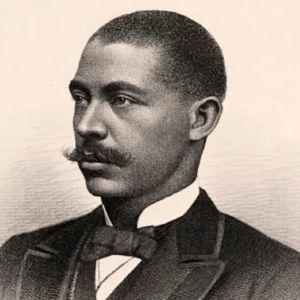
George Washington Williams (1849–1891) was an American historian, journalist, and soldier who is best known for his pioneering work on African American history. His most notable book, "History of the Negro Race in America from 1619 to 1880," was one of the first comprehensive histories of African Americans in the U.S., documenting their experiences from slavery to post-Civil War Reconstruction. Williams also traveled to the Congo in the late 1880s, where he exposed the brutal exploitation of the Congolese people by King Leopold II in his "Open Letter" to the monarch, which is regarded as an early human rights critique. His work highlighted the injustices faced by marginalized communities and continues to influence historical scholarship.
Author's Books:
Sort by:
CHAPTER I. 1800-1825. Commencement of the Nineteenth Century.—Slave Population of 1800.—Memorial Presented to Congress calling Attention to the Slave-trade to the Coast of Guinea.—Georgia cedes the Territory lying West of her to become a State.—Ohio adopts a State Constitution.—William Henry Harrison appointed Governor of the Territory of Indiana.—An Act of Congress prohibiting the...
more...
CHAPTER I. THE UNITY OF MANKIND. The Biblical Argument.—One Race and One Language.— One Blood.—The Curse of Canaan. DURING the last half-century, many writers on ethnology, anthropology, and slavery have strenuously striven to place the Negro outside of the human family; and the disciples of these teachers have endeavored to justify their views by the most dehumanizing treatment of the Negro....
more...