

Categories
- Antiques & Collectibles 13
- Architecture 36
- Art 48
- Bibles 22
- Biography & Autobiography 815
- Body, Mind & Spirit 145
- Business & Economics 28
- Children's Books 15
- Children's Fiction 12
- Computers 4
- Cooking 94
- Crafts & Hobbies 4
- Drama 346
- Education 63
- Family & Relationships 59
- Fiction 11841
- Foreign Language Study 1
- Games 19
- Gardening 17
- Health & Fitness 35
- History 1382
- House & Home 1
- Humor 147
- Juvenile Fiction 1884
- Juvenile Nonfiction 202
- Language Arts & Disciplines 89
- Law 16
- Literary Collections 687
- Literary Criticism 179
- Mathematics 13
- Medical 43
- Music 40
- Nature 181
- Non-Classifiable 1768
- Performing Arts 7
- Periodicals 1453
- Philosophy 65
- Photography 2
- Poetry 897
- Political Science 205
- Psychology 44
- Reference 154
- Religion 516
- Science 128
- Self-Help 87
- Social Science 83
- Sports & Recreation 34
- Study Aids 3
- Technology & Engineering 60
- Transportation 23
- Travel 463
- True Crime 29
George Sturt
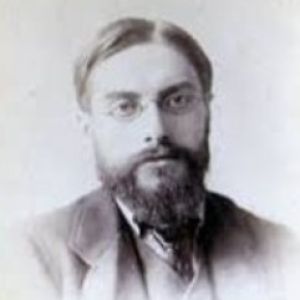
George Sturt (1863–1927), an English writer and essayist, is best known for his works on rural life and the transition from traditional to modern agricultural practices. Born in Farnham, Surrey, Sturt initially worked in his family's wheelwright business, which heavily influenced his writing. His notable works include "The Wheelwright's Shop," where he reflects on the craftsmanship and social changes in rural England, and "Change in the Village," which explores the impact of industrialization on village life. Sturt's writing is celebrated for its vivid portrayal of the vanishing rural world and its deep empathy for working-class communities.
Author's Books:
Sort by:
by:
George Sturt
THE VILLAGE If one were to be very strict, I suppose it would be wrong to give the name of "village" to the parish dealt with in these chapters, because your true village should have a sort of corporate history of its own, and this one can boast nothing of the kind. It clusters round no central green; no squire ever lived in it; until some thirty years ago it was without a resident parson; its...
more...