

Categories
- Antiques & Collectibles 13
- Architecture 36
- Art 48
- Bibles 22
- Biography & Autobiography 815
- Body, Mind & Spirit 145
- Business & Economics 28
- Children's Books 15
- Children's Fiction 12
- Computers 4
- Cooking 94
- Crafts & Hobbies 4
- Drama 346
- Education 63
- Family & Relationships 59
- Fiction 11841
- Foreign Language Study 1
- Games 19
- Gardening 17
- Health & Fitness 35
- History 1382
- House & Home 1
- Humor 147
- Juvenile Fiction 1880
- Juvenile Nonfiction 202
- Language Arts & Disciplines 89
- Law 16
- Literary Collections 687
- Literary Criticism 179
- Mathematics 13
- Medical 43
- Music 40
- Nature 181
- Non-Classifiable 1768
- Performing Arts 7
- Periodicals 1453
- Philosophy 65
- Photography 2
- Poetry 897
- Political Science 205
- Psychology 44
- Reference 154
- Religion 516
- Science 128
- Self-Help 87
- Social Science 83
- Sports & Recreation 34
- Study Aids 3
- Technology & Engineering 60
- Transportation 23
- Travel 463
- True Crime 29
Ellen H. Richards
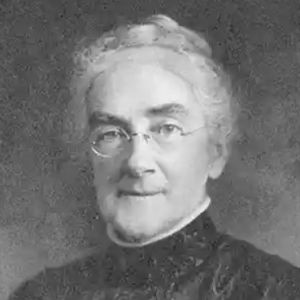
Ellen H. Richards (1842–1911) was an influential American chemist, environmental scientist, and educator. She was a pioneer in home economics and the application of science to everyday life, particularly in sanitation, nutrition, and public health. Richards authored several books, including "The Chemistry of Cooking and Cleaning" and "Air, Water, and Food," which emphasized the importance of scientific knowledge in household management. She also played a key role in establishing the first water-quality standards in the U.S. and advocated for environmental sustainability through her research on pollution and water purity.
Author's Books:
Sort by:
FOREWORD Never has society been so clear as to its several special ends, never has so little effort been due to chance or compulsion. Ralph Barton Perry, The Moral Economy. Not through chance, but through increase of scientific knowledge; not through compulsion, but through democratic idealism consciously working through common interests, will be brought about the creation of right conditions, the...
more...

CHAPTER I. THE HOUSE AND WHAT IT SIGNIFIES IN FAMILY LIFE; TYPIFIED IN PIONEER AND COLONIAL HOMES, THE CENTERS OF INDUSTRY AND HOSPITALITY. "There is no noble life without a noble aim."—CHARLES DOLE. The word Home to the Anglo-Saxon race calls to mind some definite house as the family abiding-place. Around it cluster the memories of childhood, the aspirations of youth, the sorrows of middle...
more...