

Categories
- Antiques & Collectibles 13
- Architecture 36
- Art 48
- Bibles 22
- Biography & Autobiography 816
- Body, Mind & Spirit 144
- Business & Economics 30
- Children's Books 15
- Children's Fiction 12
- Computers 4
- Cooking 94
- Crafts & Hobbies 4
- Drama 346
- Education 64
- Family & Relationships 59
- Fiction 11841
- Foreign Language Study 2
- Games 19
- Gardening 17
- Health & Fitness 35
- History 1383
- House & Home 1
- Humor 147
- Juvenile Fiction 1884
- Juvenile Nonfiction 202
- Language Arts & Disciplines 89
- Law 16
- Literary Collections 687
- Literary Criticism 179
- Mathematics 13
- Medical 43
- Music 40
- Nature 181
- Non-Classifiable 1768
- Performing Arts 7
- Periodicals 1453
- Philosophy 65
- Photography 2
- Poetry 897
- Political Science 205
- Psychology 44
- Reference 154
- Religion 515
- Science 128
- Self-Help 86
- Social Science 83
- Sports & Recreation 34
- Study Aids 3
- Technology & Engineering 60
- Transportation 23
- Travel 463
- True Crime 29
Eliza Fowler Haywood
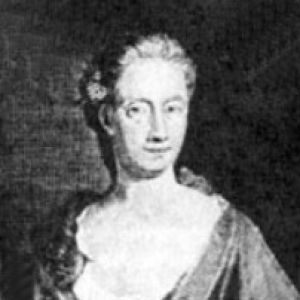
Eliza Fowler Haywood (1693–1756) was a prolific English writer, actress, and publisher, best known for her novels, plays, and periodicals. She was a key figure in the development of the novel and one of the most popular writers of her time, producing works that explored themes of love, intrigue, and female empowerment. Among her notable works are "Love in Excess" (1719-1720) and "The History of Miss Betsy Thoughtless" (1751). Haywood also contributed to early feminist discourse through her writing and was a central voice in shaping the literary landscape of the 18th century.
Author's Books:
Sort by:

CHAP. I. Contains the manner in which a gentleman found children: his benevolence towards them, and what kind of affection he bore to them as they grew up. With the departure of one of them to the army. It was in the ever memorable year 1688, that a gentleman, whose real name we think proper to conceal under that of Dorilaus, returned from visiting most of the polite courts of Europe, in which he had...
more...

BOOK the Third. CHAP. I. Shews in what manner anger and revenge operate on the mind, and how ambition is capable of stifling both, in a remarkable instance, that private injuries, how great soever, may seem of no weight, when public grandeur requires they should be looked over. Nothing is so violent as anger in its first emotions, it takes the faculties by surprize, and rushes upon the soul like an...
more...