

Categories
- Antiques & Collectibles 13
- Architecture 36
- Art 48
- Bibles 22
- Biography & Autobiography 816
- Body, Mind & Spirit 145
- Business & Economics 32
- Children's Books 15
- Children's Fiction 13
- Computers 4
- Cooking 94
- Crafts & Hobbies 4
- Drama 346
- Education 64
- Family & Relationships 62
- Fiction 11848
- Foreign Language Study 2
- Games 19
- Gardening 17
- Health & Fitness 36
- History 1383
- House & Home 1
- Humor 147
- Juvenile Fiction 1884
- Juvenile Nonfiction 202
- Language Arts & Disciplines 89
- Law 16
- Literary Collections 687
- Literary Criticism 179
- Mathematics 13
- Medical 43
- Music 40
- Nature 181
- Non-Classifiable 1768
- Performing Arts 7
- Periodicals 1453
- Philosophy 65
- Photography 2
- Poetry 897
- Political Science 206
- Psychology 44
- Reference 154
- Religion 516
- Science 128
- Self-Help 89
- Social Science 84
- Sports & Recreation 34
- Study Aids 3
- Technology & Engineering 60
- Transportation 23
- Travel 463
- True Crime 29
Edmund Spenser
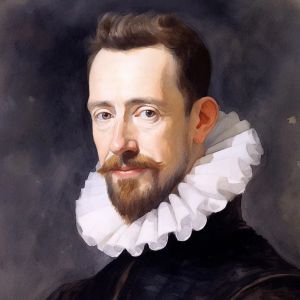
Edmund Spenser (1552-1599) was an English poet best known for his epic poem "The Faerie Queene," an allegorical work celebrating Queen Elizabeth I and the Tudor dynasty. His style was highly influential, especially for its use of the Spenserian stanza, a nine-line verse form. Spenser's other notable works include "The Shepherd's Calendar," which helped establish him as one of the era's premier poets. His writing blends classical influences with Renaissance humanism, while also engaging with the political and cultural issues of Elizabethan England.
Author's Books:
Sort by:
by:
Edmund Spenser
THE RUINES OF TIME. DEDICATED TO THE RIGHT NOBLE AND BEAUTIFULL LADIE, THE LA: MARIE, COUNTESSE OF PEMEBROOKE. Most honourable and bountifull Ladie, there bee long sithens deepe sowed in my brest the seede of most entire love and humble affection unto that most brave knight, your noble brother deceased; which, taking roote, began in his life time somewhat to bud forth, and to shew themselves to him, as...
more...
by:
Edmund Spenser
INTRODUCTION I. THE AGE WHICH PRODUCED THE FAERIE QUEENE The study of the Faerie Queene should be preceded by a review of the great age in which it was written. An intimate relation exists between the history of the English nation and the works of English authors. This close connection between purely external events and literary masterpieces is especially marked in a study of the Elizabethan Age. To...
more...