

Categories
- Antiques & Collectibles 13
- Architecture 36
- Art 48
- Bibles 22
- Biography & Autobiography 816
- Body, Mind & Spirit 145
- Business & Economics 30
- Children's Books 15
- Children's Fiction 12
- Computers 4
- Cooking 94
- Crafts & Hobbies 4
- Drama 346
- Education 64
- Family & Relationships 59
- Fiction 11841
- Foreign Language Study 2
- Games 19
- Gardening 17
- Health & Fitness 35
- History 1383
- House & Home 1
- Humor 147
- Juvenile Fiction 1884
- Juvenile Nonfiction 202
- Language Arts & Disciplines 89
- Law 16
- Literary Collections 687
- Literary Criticism 179
- Mathematics 13
- Medical 43
- Music 40
- Nature 181
- Non-Classifiable 1768
- Performing Arts 7
- Periodicals 1453
- Philosophy 65
- Photography 2
- Poetry 897
- Political Science 205
- Psychology 44
- Reference 154
- Religion 516
- Science 128
- Self-Help 87
- Social Science 83
- Sports & Recreation 34
- Study Aids 3
- Technology & Engineering 60
- Transportation 23
- Travel 463
- True Crime 29
Earl Derr Biggers
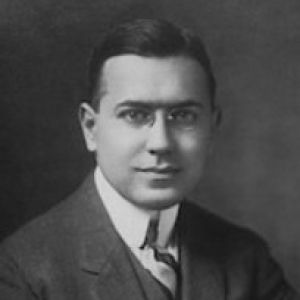
Earl Derr Biggers was an American novelist and playwright, best known for creating the fictional Chinese-American detective Charlie Chan. Born in 1884, he wrote a series of novels featuring Chan, including "The House Without a Key" (1925) and "The Black Camel" (1929), which were adapted into popular films. Biggers was influenced by real-life detective Chang Apana and sought to challenge negative stereotypes of Asian characters in literature. His work had a lasting impact on the mystery genre, especially through the widespread popularity of the Charlie Chan character.
Author's Books:
Sort by:

CHAPTER I London that historic summer was almost unbearably hot. It seems, looking back, as though the big baking city in those days was meant to serve as an anteroom of torture—an inadequate bit of preparation for the hell that was soon to break in the guise of the Great War. About the soda-water bar in the drug store near the Hotel Cecil many American tourists found solace in the sirups and creams...
more...

"WEEP NO MORE, MY LADY" A young woman was crying bitterly in the waiting-room of the railway station at Upper Asquewan Falls, New York. A beautiful young woman? That is exactly what Billy Magee wanted to know as, closing the waiting-room door behind him, he stood staring just inside. Were the features against which that frail bit of cambric was agonizingly pressed of a pleasing contour? The...
more...