

Categories
- Antiques & Collectibles 13
- Architecture 36
- Art 48
- Bibles 22
- Biography & Autobiography 815
- Body, Mind & Spirit 144
- Business & Economics 28
- Children's Books 15
- Children's Fiction 12
- Computers 4
- Cooking 94
- Crafts & Hobbies 4
- Drama 346
- Education 63
- Family & Relationships 59
- Fiction 11839
- Foreign Language Study 1
- Games 19
- Gardening 17
- Health & Fitness 35
- History 1382
- House & Home 1
- Humor 147
- Juvenile Fiction 1873
- Juvenile Nonfiction 202
- Language Arts & Disciplines 89
- Law 16
- Literary Collections 687
- Literary Criticism 179
- Mathematics 13
- Medical 43
- Music 40
- Nature 181
- Non-Classifiable 1768
- Performing Arts 7
- Periodicals 1453
- Philosophy 65
- Photography 2
- Poetry 897
- Political Science 205
- Psychology 44
- Reference 154
- Religion 515
- Science 128
- Self-Help 86
- Social Science 83
- Sports & Recreation 34
- Study Aids 3
- Technology & Engineering 60
- Transportation 23
- Travel 463
- True Crime 29
Dion Boucicault
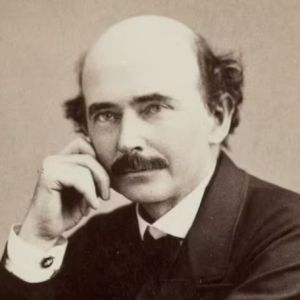
Dion Boucicault (1820–1890) was an Irish playwright and actor, known for his significant contributions to 19th-century theatre. He authored over 100 plays, many of which popularized melodrama, including works like "The Colleen Bawn" and "The Shaughraun." Boucicault was celebrated for his skill in creating gripping plots, vivid characters, and for incorporating social issues such as class and race into his works. His innovative use of stage technology and his influence on copyright laws also left a lasting impact on the theatrical world.
Author's Books:
Sort by:
by:
Dion Boucicault
EDITORIAL INTRODUCTION. The story of "Venice Preserved" is partly founded upon St. Real's History of the Conspiracy of the Spaniards against the Republic of Venice, in 1618. Voltaire compares the author of this History to Sallust; and pronounces it superior to the English tragedy—an assertion, which, like many others from the same source, was the convenient sentence of an adroit but...
more...
by:
Dion Boucicault
CHAPTER I. THERE are places which appear, at first sight, inaccessible to romance; and such a place was Mr. Wardlaw's dining-room in Russell Square. It was very large, had sickly green walls, picked out with aldermen, full length; heavy maroon curtains; mahogany chairs; a turkey carpet an inch thick: and was lighted with wax candles only. In the center, bristling and gleaming with silver and...
more...