

Categories
- Antiques & Collectibles 13
- Architecture 36
- Art 48
- Bibles 22
- Biography & Autobiography 816
- Body, Mind & Spirit 145
- Business & Economics 28
- Children's Books 17
- Children's Fiction 14
- Computers 4
- Cooking 94
- Crafts & Hobbies 4
- Drama 346
- Education 58
- Family & Relationships 59
- Fiction 11834
- Foreign Language Study 3
- Games 19
- Gardening 17
- Health & Fitness 34
- History 1378
- House & Home 1
- Humor 147
- Juvenile Fiction 1873
- Juvenile Nonfiction 202
- Language Arts & Disciplines 89
- Law 16
- Literary Collections 686
- Literary Criticism 179
- Mathematics 13
- Medical 41
- Music 40
- Nature 179
- Non-Classifiable 1768
- Performing Arts 7
- Periodicals 1453
- Philosophy 66
- Photography 2
- Poetry 897
- Political Science 203
- Psychology 45
- Reference 154
- Religion 516
- Science 126
- Self-Help 85
- Social Science 82
- Sports & Recreation 34
- Study Aids 3
- Technology & Engineering 59
- Transportation 23
- Travel 463
- True Crime 29
Corra Harris
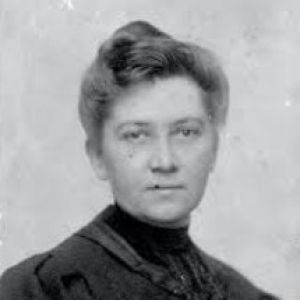
Corra Harris (1869–1935) was an American writer best known for her novel "A Circuit Rider's Wife" (1910), which portrayed the life of a Methodist minister's wife in rural Georgia. Her works often explored themes of Southern life, religion, and the complexities of women's roles in society. Harris was also a prolific essayist, contributing to popular publications like "The Saturday Evening Post." Despite facing criticism for her support of Southern racial views, she remained a significant literary figure in early 20th-century Southern literature.
Author's Books:
Sort by:

by:
Corra Harris
CHAPTER I If you will look back over the files of the "Southern Christian Advocate," published at the time in Macon, Georgia, you will find the following notice—by a singular coincidence on the page devoted to "obituaries": "Married—Mary Elizabeth Eden to William Asbury Thompson. The bride is the daughter of Colonel and Mrs. Eden, of Edenton; the groom is the son of the late...
more...

by:
Corra Harris
MY DEAR MISS DOANE: You will permit me to address you with this semblance of familiarity, I trust, for the frankness of our conversation in my office gives me some right to claim you as an acquaintance. And first of all let me tell you that we shall be glad to print your review of The Kentons, and shall be pleased to send you a long succession of novels for analysis if you can always use the scalpel...
more...