

Categories
- Antiques & Collectibles 13
- Architecture 36
- Art 48
- Bibles 22
- Biography & Autobiography 816
- Body, Mind & Spirit 145
- Business & Economics 32
- Children's Books 15
- Children's Fiction 13
- Computers 4
- Cooking 94
- Crafts & Hobbies 4
- Drama 346
- Education 65
- Family & Relationships 62
- Fiction 11848
- Foreign Language Study 2
- Games 19
- Gardening 17
- Health & Fitness 36
- History 1383
- House & Home 1
- Humor 147
- Juvenile Fiction 1884
- Juvenile Nonfiction 202
- Language Arts & Disciplines 89
- Law 16
- Literary Collections 687
- Literary Criticism 179
- Mathematics 13
- Medical 43
- Music 40
- Nature 181
- Non-Classifiable 1768
- Performing Arts 7
- Periodicals 1453
- Philosophy 65
- Photography 2
- Poetry 898
- Political Science 206
- Psychology 44
- Reference 154
- Religion 516
- Science 128
- Self-Help 89
- Social Science 84
- Sports & Recreation 34
- Study Aids 3
- Technology & Engineering 60
- Transportation 23
- Travel 463
- True Crime 29
Arthur Schnitzler
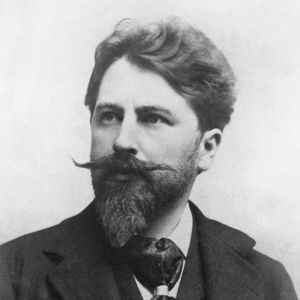
Arthur Schnitzler (1862–1931) was an Austrian playwright, novelist, and physician known for his exploration of psychological and social issues, particularly themes of love, sexuality, and death. His works often delve into the complexities of human behavior, and he was a pioneer in using the "stream-of-consciousness" technique. Notable works include the novella "Dream Story" (which inspired Stanley Kubrick's film "Eyes Wide Shut") and the play "La Ronde," which sparked controversy due to its candid portrayal of sexual encounters. Schnitzler's writings reflect the anxieties of fin-de-siècle Vienna and its bourgeois society.
Author's Books:
Sort by:
HE could endure the quiet waiting in the carriage no longer; it was easier to get out and walk up and down. It was now dark; the few scattered lamps in the narrow side street quivered uneasily in the wind. The rain had stopped, the sidewalks were almost dry, but the rough-paved roadway was still moist, and little pools gleamed here and there. "Strange, isn't it?" thought Franz. "Here...
more...
I She was walking slowly down the hill; not by the broad high road which wound its way towards the town, but by the narrow footpath between the trellises of the vines. Her little boy was with her, hanging on to her hand and walking all the time a pace in front of her, because there was not room on the footpath for them to walk side by side. The afternoon was well advanced, but the sun still poured down...
more...