

Categories
- Antiques & Collectibles 13
- Architecture 36
- Art 48
- Bibles 22
- Biography & Autobiography 816
- Body, Mind & Spirit 145
- Business & Economics 30
- Children's Books 15
- Children's Fiction 12
- Computers 4
- Cooking 94
- Crafts & Hobbies 4
- Drama 346
- Education 64
- Family & Relationships 59
- Fiction 11841
- Foreign Language Study 2
- Games 19
- Gardening 17
- Health & Fitness 35
- History 1383
- House & Home 1
- Humor 147
- Juvenile Fiction 1884
- Juvenile Nonfiction 202
- Language Arts & Disciplines 89
- Law 16
- Literary Collections 687
- Literary Criticism 179
- Mathematics 13
- Medical 43
- Music 40
- Nature 181
- Non-Classifiable 1768
- Performing Arts 7
- Periodicals 1453
- Philosophy 65
- Photography 2
- Poetry 897
- Political Science 205
- Psychology 44
- Reference 154
- Religion 516
- Science 128
- Self-Help 87
- Social Science 83
- Sports & Recreation 34
- Study Aids 3
- Technology & Engineering 60
- Transportation 23
- Travel 463
- True Crime 29
Albert Leffingwell
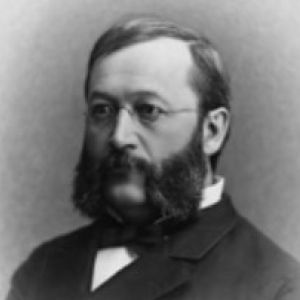
Albert Leffingwell (1845–1916) was an American physician, social reformer, and author known for his advocacy in areas such as animal rights, vegetarianism, and medical ethics. He wrote extensively on issues related to vivisection, critiquing the practice in his book "An Ethical Problem" (1903). Leffingwell was also a proponent of humane treatment in medical practices, as reflected in his work "The Influence of Marriage on Longevity" (1890), where he explored the social and health impacts of marriage. His writings often addressed both ethical concerns and public health, making him an influential figure in the movements for both animal welfare and public reform.
Author's Books:
Sort by:

INTRODUCTION. The first of the Essays following appeared in "Scribner's Monthly," in July, 1880; and immediately became honored by the attention of the Medical Press throughout the country. The aggressive title of the paper, justified, in great measure, perhaps, the vigor of the criticism bestowed. Again and again the point was raised by reviewers that the problem presented by the title,...
more...

PREFACE The position taken by the writer of this volume should be clearly understood. It is not the view known as antivivisection, so far as this means the condemnation without exception of all phases of biological investigation. There are methods of research which involve no animal suffering, and which are of scientific utility. Within certain careful limitations, these would seem justifiable. For...
more...