

Categories
- Antiques & Collectibles 13
- Architecture 36
- Art 48
- Bibles 22
- Biography & Autobiography 815
- Body, Mind & Spirit 144
- Business & Economics 28
- Children's Books 15
- Children's Fiction 12
- Computers 4
- Cooking 94
- Crafts & Hobbies 4
- Drama 346
- Education 63
- Family & Relationships 59
- Fiction 11839
- Foreign Language Study 1
- Games 19
- Gardening 17
- Health & Fitness 35
- History 1382
- House & Home 1
- Humor 147
- Juvenile Fiction 1877
- Juvenile Nonfiction 202
- Language Arts & Disciplines 89
- Law 16
- Literary Collections 687
- Literary Criticism 179
- Mathematics 13
- Medical 43
- Music 40
- Nature 181
- Non-Classifiable 1768
- Performing Arts 7
- Periodicals 1453
- Philosophy 65
- Photography 2
- Poetry 897
- Political Science 205
- Psychology 44
- Reference 154
- Religion 516
- Science 128
- Self-Help 86
- Social Science 83
- Sports & Recreation 34
- Study Aids 3
- Technology & Engineering 60
- Transportation 23
- Travel 463
- True Crime 29
William Rounseville Alger
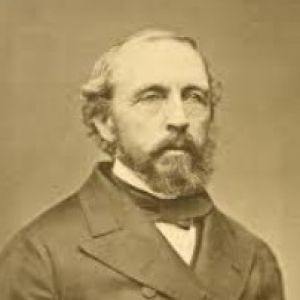
William Rounseville Alger (1822–1905) was an American author, clergyman, and scholar known for his philosophical and religious writings. His most famous work is "The History of the Doctrine of a Future Life" (1864), which explores beliefs about the afterlife across various cultures and religions. Alger was also a prominent Unitarian minister, serving in churches in Boston and New York. Additionally, he wrote "The Poetry of the Orient" and "The Solitudes of Nature and of Man," reflecting his interest in spirituality and human introspection.
Author's Books:
Sort by:

PREFACE TO THE TENTH EDITION. THIS work has passed through nine editions, and has been out of print now for nearly a year. During the twenty years which have elapsed since it was written, the question of immortality, the faith and opinions of men and the drift of criticism and doubt concerning it, have been a subject of dominant interest to me, and have occupied a large space in my reading and...
more...

A STATEMENT of the facts in which this book began may gratify the curiosity of some of its readers. While gathering materials for a History of Friendship, I was often struck both by the small number of recorded examples of the sentiment among women, which were discovered in my researches, and by the commonness of the expressed belief, that strong natural obstacles make friendship a comparatively feeble...
more...