

Categories
- Antiques & Collectibles 13
- Architecture 36
- Art 48
- Bibles 22
- Biography & Autobiography 815
- Body, Mind & Spirit 144
- Business & Economics 28
- Children's Books 15
- Children's Fiction 12
- Computers 4
- Cooking 94
- Crafts & Hobbies 4
- Drama 346
- Education 63
- Family & Relationships 59
- Fiction 11841
- Foreign Language Study 1
- Games 19
- Gardening 17
- Health & Fitness 35
- History 1382
- House & Home 1
- Humor 147
- Juvenile Fiction 1877
- Juvenile Nonfiction 202
- Language Arts & Disciplines 89
- Law 16
- Literary Collections 687
- Literary Criticism 179
- Mathematics 13
- Medical 43
- Music 40
- Nature 181
- Non-Classifiable 1768
- Performing Arts 7
- Periodicals 1453
- Philosophy 65
- Photography 2
- Poetry 897
- Political Science 205
- Psychology 44
- Reference 154
- Religion 516
- Science 128
- Self-Help 86
- Social Science 83
- Sports & Recreation 34
- Study Aids 3
- Technology & Engineering 60
- Transportation 23
- Travel 463
- True Crime 29
William Edward Hartpole Lecky
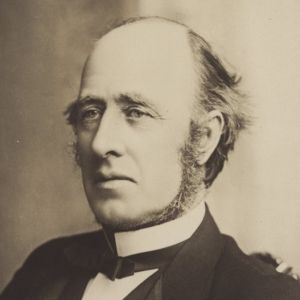
William Edward Hartpole Lecky (1838–1903) was an Irish historian and essayist known for his works on European history and moral philosophy. His most famous works include "A History of England in the Eighteenth Century" and "History of European Morals from Augustus to Charlemagne," where he examined the evolution of social, political, and ethical standards. Lecky was also a member of Parliament, advocating for Irish home rule. His writing is noted for its thorough research, liberal perspective, and focus on intellectual and moral progress in society.
Author's Books:
Sort by:
THOUGHTS ON HISTORY I do not propose in this paper to enter into any general inquiry about the best method of writing history. Such inquiries appear to me to be of no real value, for there are many different kinds of history which should be written in many different ways. A diplomatic, a military, or a parliamentary history, dealing with a short period or a particular episode, must evidently be treated...
more...
CHAPTER I One of the first questions that must naturally occur to every writer who deals with the subject of this book is, what influence mere discussion and reasoning can have in promoting the happiness of men. The circumstances of our lives and the dispositions of our characters mainly determine the measure of happiness we enjoy, and mere argument about the causes of happiness and unhappiness can do...
more...