

Categories
- Antiques & Collectibles 13
- Architecture 36
- Art 48
- Bibles 22
- Biography & Autobiography 816
- Body, Mind & Spirit 145
- Business & Economics 32
- Children's Books 15
- Children's Fiction 13
- Computers 4
- Cooking 94
- Crafts & Hobbies 4
- Drama 346
- Education 68
- Family & Relationships 62
- Fiction 11845
- Foreign Language Study 2
- Games 19
- Gardening 17
- Health & Fitness 36
- History 1383
- House & Home 1
- Humor 147
- Juvenile Fiction 1884
- Juvenile Nonfiction 202
- Language Arts & Disciplines 89
- Law 16
- Literary Collections 687
- Literary Criticism 180
- Mathematics 13
- Medical 43
- Music 40
- Nature 181
- Non-Classifiable 1768
- Performing Arts 7
- Periodicals 1453
- Philosophy 65
- Photography 2
- Poetry 898
- Political Science 206
- Psychology 44
- Reference 154
- Religion 516
- Science 128
- Self-Help 89
- Social Science 84
- Sports & Recreation 34
- Study Aids 3
- Technology & Engineering 60
- Transportation 23
- Travel 463
- True Crime 29
William Allan Neilson
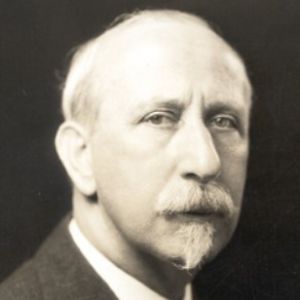
Brooks Adams (1848–1927) was an American historian, political theorist, and member of the prominent Adams family. Known for his works on the cyclical nature of civilizations, he argued that societies inevitably decline due to economic forces. His most notable books include "The Law of Civilization and Decay" (1895), which discusses the rise and fall of civilizations, and "America's Economic Supremacy" (1900), where he predicted the rise of the U.S. as a global power. Adams' ideas reflected a pessimistic view of history, emphasizing the role of material wealth in determining the fate of nations.
Author's Books:
Sort by:

CHAPTER I BIOGRAPHY “I have not the most distant pretence to what the pye-coated guardians of Escutcheons call a Gentleman. When at Edinburgh last winter, I got acquainted at the Herald's office; and looking thro' the granary of honors, I there found almost every name in the kingdom; but for me, My ancient but ignoble bloodHas crept thro' scoundrels since the flood. Gules, purpure,...
more...

Shakespeare's England and London Shakespeare lived in a period of change. In religion, politics, literature, and commerce, in the habits of daily living, in the world of ideas, his lifetime witnessed continual change and movement. When Elizabeth came to the throne, six years before he was born, England was still largely Catholic, as it had been for nine centuries; when she died England was...
more...