

Categories
- Antiques & Collectibles 13
- Architecture 36
- Art 48
- Bibles 22
- Biography & Autobiography 816
- Body, Mind & Spirit 145
- Business & Economics 32
- Children's Books 15
- Children's Fiction 13
- Computers 4
- Cooking 94
- Crafts & Hobbies 4
- Drama 346
- Education 68
- Family & Relationships 62
- Fiction 11845
- Foreign Language Study 2
- Games 19
- Gardening 17
- Health & Fitness 36
- History 1383
- House & Home 1
- Humor 147
- Juvenile Fiction 1884
- Juvenile Nonfiction 202
- Language Arts & Disciplines 89
- Law 16
- Literary Collections 687
- Literary Criticism 180
- Mathematics 13
- Medical 43
- Music 40
- Nature 181
- Non-Classifiable 1768
- Performing Arts 7
- Periodicals 1453
- Philosophy 65
- Photography 2
- Poetry 898
- Political Science 206
- Psychology 44
- Reference 154
- Religion 516
- Science 128
- Self-Help 89
- Social Science 84
- Sports & Recreation 34
- Study Aids 3
- Technology & Engineering 60
- Transportation 23
- Travel 463
- True Crime 29
Wallace Irwin
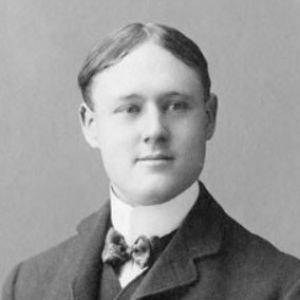
Wallace Irwin (1875–1959) was an American humorist, poet, and novelist known for his satirical and comedic writing. He gained popularity with "The Love Sonnets of a Hoodlum" (1901), a parody of classical sonnets written in the slang of San Francisco's underworld. Irwin also wrote adventure novels such as "Seed of the Sun" (1921) and "The Teddysee" (1907), a humorous retelling of "The Odyssey" from the perspective of Teddy Roosevelt's childhood. His diverse works, ranging from light verse to fiction, made him a significant figure in early 20th-century American humor.
Author's Books:
Sort by:
by:
Wallace Irwin
Since the publication of Edward Fitzgerald's classic translation of the Rubaiyat in 1851 - or rather since its general popularity several years later - poets minor and major have been rendering the sincerest form of flattery to the genius of the Irishman who brought Persia into the best regulated families. Unfortunately there was only one Omar and there were scores of imitators who, in order to...
more...

by:
Wallace Irwin
Science may conquer the stars, but it does nothing by jumps. As a Scientist, as well as a philosopher, I am accustomed to reaching the Transcendental by winding paths. It is characteristic of me that I should have consented to preface this remarkable Sonnet Cycle only after supreme deliberation, and that I should at last have determined to speak in behalf of the Car Conductor for the following reasons:...
more...