

Categories
- Antiques & Collectibles 13
- Architecture 36
- Art 48
- Bibles 22
- Biography & Autobiography 816
- Body, Mind & Spirit 145
- Business & Economics 30
- Children's Books 15
- Children's Fiction 13
- Computers 4
- Cooking 94
- Crafts & Hobbies 4
- Drama 346
- Education 64
- Family & Relationships 61
- Fiction 11842
- Foreign Language Study 2
- Games 19
- Gardening 17
- Health & Fitness 35
- History 1383
- House & Home 1
- Humor 147
- Juvenile Fiction 1884
- Juvenile Nonfiction 202
- Language Arts & Disciplines 89
- Law 16
- Literary Collections 687
- Literary Criticism 179
- Mathematics 13
- Medical 43
- Music 40
- Nature 181
- Non-Classifiable 1768
- Performing Arts 7
- Periodicals 1453
- Philosophy 65
- Photography 2
- Poetry 897
- Political Science 205
- Psychology 44
- Reference 154
- Religion 516
- Science 128
- Self-Help 87
- Social Science 83
- Sports & Recreation 34
- Study Aids 3
- Technology & Engineering 60
- Transportation 23
- Travel 463
- True Crime 29
W. Warde (William Warde) Fowler
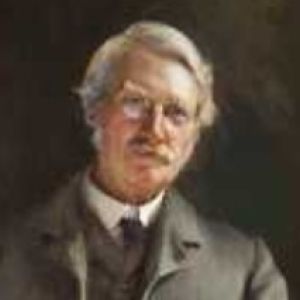
William Warde Fowler (1847–1921) was an English historian, ornithologist, and scholar of Roman religion. He is best known for his works on ancient Roman culture and religious practices, particularly in his book "The Roman Festivals of the Period of the Republic" (1899), which remains an important resource on Roman religious festivals. Fowler was also an avid bird watcher, and he contributed significantly to ornithology with publications like "A Year with the Birds" (1886). His scholarly works reflect a deep interest in both classical studies and natural history.
Author's Books:
Sort by:

CHAPTER I TOPOGRAPHICAL The modern traveller of to-day arriving at Rome by rail drives to his hotel through the uninteresting streets of a modern town, and thence finds his way to the Forum and the Palatine, where his attention is speedily absorbed by excavations which he finds it difficult to understand. It is as likely as not that he may leave Rome without once finding an opportunity of surveying the...
more...
PREFACE Lord Gifford in founding his lectureship directed that the lectures should be public and popular, i.e. not restricted to members of a University. Accordingly in lecturing I endeavoured to make myself intelligible to a general audience by avoiding much technical discussion and controversial matter, and by keeping to the plan of describing in outline the development and decay of the religion of...
more...