

Categories
- Antiques & Collectibles 13
- Architecture 36
- Art 48
- Bibles 22
- Biography & Autobiography 815
- Body, Mind & Spirit 144
- Business & Economics 28
- Children's Books 15
- Children's Fiction 12
- Computers 4
- Cooking 94
- Crafts & Hobbies 4
- Drama 346
- Education 63
- Family & Relationships 59
- Fiction 11839
- Foreign Language Study 1
- Games 19
- Gardening 17
- Health & Fitness 35
- History 1382
- House & Home 1
- Humor 147
- Juvenile Fiction 1873
- Juvenile Nonfiction 202
- Language Arts & Disciplines 89
- Law 16
- Literary Collections 687
- Literary Criticism 179
- Mathematics 13
- Medical 43
- Music 40
- Nature 181
- Non-Classifiable 1768
- Performing Arts 7
- Periodicals 1453
- Philosophy 65
- Photography 2
- Poetry 897
- Political Science 205
- Psychology 44
- Reference 154
- Religion 515
- Science 128
- Self-Help 86
- Social Science 83
- Sports & Recreation 34
- Study Aids 3
- Technology & Engineering 60
- Transportation 23
- Travel 463
- True Crime 29
W. H. (William Hurrell) Mallock
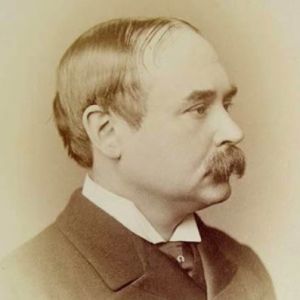
William Hurrell Mallock (1849–1923) was an English novelist and social critic known for his satirical and philosophical works. He gained recognition with his novel "The New Republic" (1877), which critiqued contemporary intellectuals and ideologies. Mallock also wrote "Is Life Worth Living?" (1879), a philosophical exploration of materialism and religious faith. His works often challenged the prevailing social and political ideas of his time, particularly socialism and secularism.
Author's Books:
Sort by:
CHAPTER I FAMILY ANTECEDENTS The Mallocks of Cockington—Some Old Devonshire Houses—A Child's Outlook on Life "Memoirs" is a word which, as commonly used, includes books of very various kinds, ranging from St. Augustine's Confessions to the gossip of Lady Dorothy Nevill. Such books, however, have all one family likeness. They all of them represent life as seen by the writers from a...
more...
TO JOHN RUSKIN. My dear Mr. Ruskin,—You have given me very great pleasure by allowing me to inscribe this book to you, and for two reasons; for I have two kinds of acknowledgment that I wish to make to you—first, that of an intellectual debtor to a public teacher; secondly, that of a private friend to the kindest of private friends. The tribute I have to offer you is, it is true, a small one; and...
more...
INTRODUCTION. o have attempted in former times a work of this description, would have seemed, we cannot deny, to savour either of presumption or of idiotcy, or more probably of both. And rightly. But we live in times of progress. The mystery of yesterday is the common-place of to-day; the Bible, which was Newton's oracle, is Professor Huxley's jest-book; and students at the University now...
more...