

Categories
- Antiques & Collectibles 13
- Architecture 36
- Art 48
- Bibles 22
- Biography & Autobiography 815
- Body, Mind & Spirit 145
- Business & Economics 28
- Children's Books 15
- Children's Fiction 12
- Computers 4
- Cooking 94
- Crafts & Hobbies 4
- Drama 346
- Education 63
- Family & Relationships 59
- Fiction 11841
- Foreign Language Study 1
- Games 19
- Gardening 17
- Health & Fitness 35
- History 1382
- House & Home 1
- Humor 147
- Juvenile Fiction 1884
- Juvenile Nonfiction 202
- Language Arts & Disciplines 89
- Law 16
- Literary Collections 687
- Literary Criticism 179
- Mathematics 13
- Medical 43
- Music 40
- Nature 181
- Non-Classifiable 1768
- Performing Arts 7
- Periodicals 1453
- Philosophy 65
- Photography 2
- Poetry 897
- Political Science 205
- Psychology 44
- Reference 154
- Religion 516
- Science 128
- Self-Help 87
- Social Science 83
- Sports & Recreation 34
- Study Aids 3
- Technology & Engineering 60
- Transportation 23
- Travel 463
- True Crime 29
Sarah Fielding
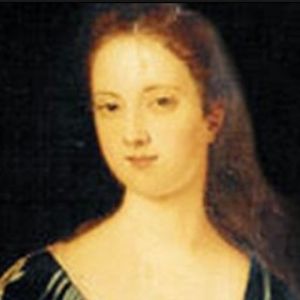
Sarah Fielding (1710–1768) was an English novelist and literary critic, best known for her 1744 novel "The Adventures of David Simple," one of the earliest examples of the sentimental novel. She was the sister of the famous writer Henry Fielding and played a key role in developing the English novel during the 18th century. Fielding also wrote "The Governess" (1749), considered the first novel for children in English literature. Her work often explored themes of morality, social class, and the emotional complexities of human relationships.
Author's Books:
Sort by:
by:
Sarah Fielding
There lived in the northern parts of England, a gentlewoman who undertook the education of young ladies; and this trust she endeavoured faithfully to discharge, by instructing those committed to her care in reading, writing, working, and in all proper forms of behaviour. And though her principal aim was to improve their minds in all useful knowledge; to render them obedient to their superiors, and...
more...
by:
Sarah Fielding
erhaps an Address of this Nature may appear very unaccountable, and whimsical; when I assure you, my Design is fairly to lay before you all the Criticisms, as far as I can remember them, that I have heard on your History of Clarissa; from the Appearance of the two first Volumes, to the Close of the Work. I have not willingly omitted any one Objection I have heard made to your favourite Character, from...
more...