

Categories
- Antiques & Collectibles 13
- Architecture 36
- Art 48
- Bibles 22
- Biography & Autobiography 816
- Body, Mind & Spirit 145
- Business & Economics 32
- Children's Books 15
- Children's Fiction 13
- Computers 4
- Cooking 94
- Crafts & Hobbies 4
- Drama 346
- Education 68
- Family & Relationships 62
- Fiction 11845
- Foreign Language Study 2
- Games 19
- Gardening 17
- Health & Fitness 36
- History 1383
- House & Home 1
- Humor 147
- Juvenile Fiction 1884
- Juvenile Nonfiction 202
- Language Arts & Disciplines 89
- Law 16
- Literary Collections 687
- Literary Criticism 180
- Mathematics 13
- Medical 43
- Music 40
- Nature 181
- Non-Classifiable 1768
- Performing Arts 7
- Periodicals 1453
- Philosophy 65
- Photography 2
- Poetry 898
- Political Science 206
- Psychology 44
- Reference 154
- Religion 516
- Science 128
- Self-Help 89
- Social Science 84
- Sports & Recreation 34
- Study Aids 3
- Technology & Engineering 60
- Transportation 23
- Travel 463
- True Crime 29
Ruth Comfort Mitchell
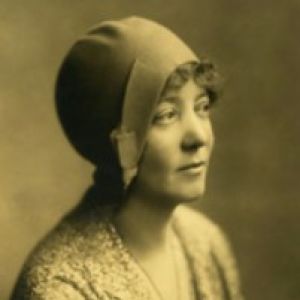
Ruth Comfort Mitchell (1882–1954) was an American author and playwright known for her novels, poems, and short stories. Her works often reflected the social and political issues of her time, particularly in California. One of her most notable novels is "Of Human Kindness" (1940), which was a critical response to John Steinbeck's "The Grapes of Wrath" and explored the impact of agricultural labor strikes. In addition to her writing, Mitchell was politically active, supporting conservative causes and opposing certain aspects of New Deal legislation.
Author's Books:
Sort by:

CHAPTER I With but one exception, everybody in the upper layer of life in that placid Vermont village was sure that Jane Vail was going to marry Martin Wetherby. The one exception was Jane herself; she was not sure—not entirely. There were many sound and sensible reasons why she should, and only two or three rather inconsequent ones why she should not. To begin with, he was a Wetherby, and the family...
more...

CHAPTER I There was no denying the fact that Honor Carmody liked the boys. No one ever attempted to deny it, least of all Honor herself. When she finished grammar school her mother and her gay young stepfather told her they had decided to send her to Marlborough rather than to the Los Angeles High School. The child looked utterly aghast. "Oh," she said, "I wouldn't like that at all. I...
more...