

Categories
- Antiques & Collectibles 13
- Architecture 36
- Art 48
- Bibles 22
- Biography & Autobiography 816
- Body, Mind & Spirit 145
- Business & Economics 32
- Children's Books 15
- Children's Fiction 13
- Computers 4
- Cooking 94
- Crafts & Hobbies 4
- Drama 346
- Education 65
- Family & Relationships 62
- Fiction 11848
- Foreign Language Study 2
- Games 19
- Gardening 17
- Health & Fitness 36
- History 1383
- House & Home 1
- Humor 147
- Juvenile Fiction 1884
- Juvenile Nonfiction 202
- Language Arts & Disciplines 89
- Law 16
- Literary Collections 687
- Literary Criticism 179
- Mathematics 13
- Medical 43
- Music 40
- Nature 181
- Non-Classifiable 1768
- Performing Arts 7
- Periodicals 1453
- Philosophy 65
- Photography 2
- Poetry 898
- Political Science 206
- Psychology 44
- Reference 154
- Religion 516
- Science 128
- Self-Help 89
- Social Science 84
- Sports & Recreation 34
- Study Aids 3
- Technology & Engineering 60
- Transportation 23
- Travel 463
- True Crime 29
Robert Grant
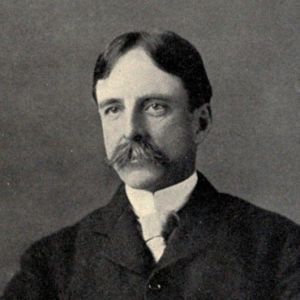
Robert Grant (1852-1940) was an American author, lawyer, and jurist known for his novels and short stories that explored the social dynamics and moral issues of his time. He gained prominence with his novel "The Confessions of a Frivolous Girl" (1880), which offered a satirical look at the life of a young woman in Boston society. Grant also wrote "Unleavened Bread" (1900), a novel that was critically acclaimed for its portrayal of ambition and social climbing. In addition to his literary work, Grant served as a judge in the Massachusetts Probate Court for over 30 years.
Author's Books:
Sort by:

by:
Robert Grant
THE LAW-BREAKERS I George Colfax was in an outraged frame of mind, and properly so. Politically speaking, George was what might be called, for lack of a better term, a passive reformer. That is, he read religiously the New York Nation, was totally opposed to the spoils system of party rewards, and was ostensibly as right-minded a citizen as one would expect to find in a Sabbath day's journey. He...
more...

by:
Robert Grant
CHAPTER I. RIPON HOUSE. There are few Americans who went to England before the late wars but will remember Ripon House. The curious student of history—a study, perhaps, too little in vogue with us—could find no better example of the palace of an old feudal lord. Dating almost from the time of the first George—and some even say it was built by the same Wren who designed that St. Paul's...
more...

by:
Robert Grant
THE OPINIONS OF A PHILOSOPHER My wife Josephine declares that I have become a philosopher in my old age, and perhaps she is right. Now that I am forty, and a trifle less elastic in my movements, with patches of gray about my ears which give me a more venerable appearance, I certainly have a tendency to look at the world as through a glass. Yet not altogether darkly be it said. That is, I trust I am no...
more...

by:
Robert Grant
CHAPTER I. Babcock and Selma White were among the last of the wedding guests to take their departure. It was a brilliant September night with a touch of autumn vigor in the atmosphere, which had not been without its effect on the company, who had driven off in gay spirits, most of them in hay-carts or other vehicles capable of carrying a party. Their songs and laughter floated back along the winding...
more...

by:
Robert Grant
My mother died in giving me birth. My father was a very rich man, a railway magnate, so called, absorbed in great business enterprises. Thus it happened that I was brought up between two fires,—my father's sister, Aunt Agnes; and my mother's sister, Aunt Helen. Aunt Agnes was prim but cultivated. She wrote for reviews and wore eye-glasses, and her library table was habitually littered with...
more...