

Categories
- Antiques & Collectibles 13
- Architecture 36
- Art 48
- Bibles 22
- Biography & Autobiography 815
- Body, Mind & Spirit 145
- Business & Economics 28
- Children's Books 15
- Children's Fiction 12
- Computers 4
- Cooking 94
- Crafts & Hobbies 4
- Drama 346
- Education 63
- Family & Relationships 59
- Fiction 11841
- Foreign Language Study 1
- Games 19
- Gardening 17
- Health & Fitness 35
- History 1382
- House & Home 1
- Humor 147
- Juvenile Fiction 1880
- Juvenile Nonfiction 202
- Language Arts & Disciplines 89
- Law 16
- Literary Collections 687
- Literary Criticism 179
- Mathematics 13
- Medical 43
- Music 40
- Nature 181
- Non-Classifiable 1768
- Performing Arts 7
- Periodicals 1453
- Philosophy 65
- Photography 2
- Poetry 897
- Political Science 205
- Psychology 44
- Reference 154
- Religion 516
- Science 128
- Self-Help 87
- Social Science 83
- Sports & Recreation 34
- Study Aids 3
- Technology & Engineering 60
- Transportation 23
- Travel 463
- True Crime 29
Richard Mead
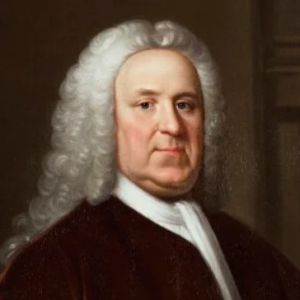
Richard Mead (1673–1754) was an English physician and writer known for his contributions to medicine and public health. His most famous work, "A Short Discourse Concerning Pestilential Contagion," was influential in shaping early ideas about the spread of infectious diseases. Mead also wrote "Mechanical Account of Poisons," exploring the effects of venom and toxins on the human body. In addition to his medical writings, Mead was a prominent figure in London's intellectual circles, advising on public health measures during outbreaks like the plague.
Author's Books:
Sort by:
by:
Richard Mead
THE PREFACE. This Book having at first been written only as a Plan of Directions for preserving our Country from the Plague was then very short and concise. An Act of Parliament being immediately after made for performing Quarantaines &c. according to the Rules here laid down, it passed through seven Editions in one year without any Alterations. I then thought proper to make some Additions to it,...
more...
by:
Richard Mead
T is a natural, nor can it be deemed an illaudable curiosity to be desirous of being informed of whatever relates to those who have eminently distinguished themselves for sagacity, parts, learning, or what else may have exalted their characters, and thereby entitled them to a degree of respect superior to the rest of their cotemporaries. The transmission of such particulars, has ever been thought no...
more...