

Categories
- Antiques & Collectibles 13
- Architecture 36
- Art 48
- Bibles 22
- Biography & Autobiography 815
- Body, Mind & Spirit 144
- Business & Economics 28
- Children's Books 15
- Children's Fiction 12
- Computers 4
- Cooking 94
- Crafts & Hobbies 4
- Drama 346
- Education 63
- Family & Relationships 59
- Fiction 11841
- Foreign Language Study 1
- Games 19
- Gardening 17
- Health & Fitness 35
- History 1382
- House & Home 1
- Humor 147
- Juvenile Fiction 1877
- Juvenile Nonfiction 202
- Language Arts & Disciplines 89
- Law 16
- Literary Collections 687
- Literary Criticism 179
- Mathematics 13
- Medical 43
- Music 40
- Nature 181
- Non-Classifiable 1768
- Performing Arts 7
- Periodicals 1453
- Philosophy 65
- Photography 2
- Poetry 897
- Political Science 205
- Psychology 44
- Reference 154
- Religion 516
- Science 128
- Self-Help 86
- Social Science 83
- Sports & Recreation 34
- Study Aids 3
- Technology & Engineering 60
- Transportation 23
- Travel 463
- True Crime 29
Rhoda Broughton
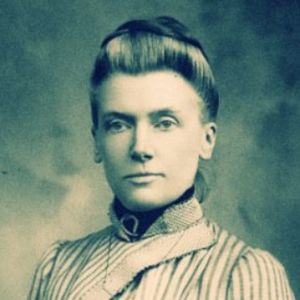
Rhoda Broughton (1840–1920) was a popular English novelist and short story writer known for her witty and often controversial works. She gained early recognition with her first novel, "Not Wisely, But Too Well" (1867), followed by "Cometh Up as a Flower" (1867), both of which dealt with unconventional heroines and taboo subjects like women's desires and societal expectations. Her work is often associated with sensation fiction, blending elements of romance, gothic mystery, and social critique. Despite some critical censure for the boldness of her themes, Broughton was highly popular with Victorian readers and left a lasting legacy in English literature.
Author's Books:
Sort by:
by:
Rhoda Broughton
CHAPTER I. "Put into a small preserving pan three ounces of fresh butter, and, as soon as it is just melted, add one pound of brown sugar of moderate quality—" "Not moderate; the browner the better," interpolates Algy. "Cannot say I agree with you. I hate brown sugar—filthy stuff!" says Bobby, contradictiously. "Not half so filthy as white, if you come to that,"...
more...
by:
Rhoda Broughton
"If you will allow me, I shall have the pleasure of reading aloud to you some passages from 'Mrs. Lirriper's Lodgings,' by Charles Dickens. I do not know much about the book myself, as I have never read it. I dare say that you know more about it than I do; but I am given to understand" (with a glance at the page before him) "that Mrs. Lirriper was a lodging-house-keeper, that...
more...