

Categories
- Antiques & Collectibles 13
- Architecture 36
- Art 48
- Bibles 22
- Biography & Autobiography 815
- Body, Mind & Spirit 145
- Business & Economics 28
- Children's Books 15
- Children's Fiction 12
- Computers 4
- Cooking 94
- Crafts & Hobbies 4
- Drama 346
- Education 63
- Family & Relationships 59
- Fiction 11841
- Foreign Language Study 1
- Games 19
- Gardening 17
- Health & Fitness 35
- History 1382
- House & Home 1
- Humor 147
- Juvenile Fiction 1884
- Juvenile Nonfiction 202
- Language Arts & Disciplines 89
- Law 16
- Literary Collections 687
- Literary Criticism 179
- Mathematics 13
- Medical 43
- Music 40
- Nature 181
- Non-Classifiable 1768
- Performing Arts 7
- Periodicals 1453
- Philosophy 65
- Photography 2
- Poetry 897
- Political Science 205
- Psychology 44
- Reference 154
- Religion 516
- Science 128
- Self-Help 87
- Social Science 83
- Sports & Recreation 34
- Study Aids 3
- Technology & Engineering 60
- Transportation 23
- Travel 463
- True Crime 29
Rebecca Harding Davis
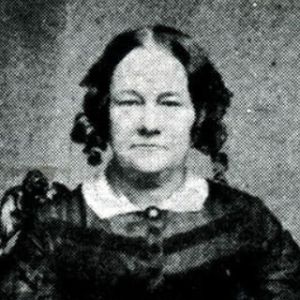
Rebecca Harding Davis (1831–1910) was an American writer and social reformer, best known for her pioneering work in realism. Her most famous work, "Life in the Iron Mills" (1861), is a gritty portrayal of industrial labor and class struggle in 19th-century America. She wrote prolifically throughout her career, focusing on issues such as women’s rights, slavery, and the harsh conditions of factory workers. Davis’s work is considered an important contribution to American literature, influencing later realist writers such as Upton Sinclair and Theodore Dreiser.
Author's Books:
Sort by:
CHAPTER I. Let me tell you a story of To-Day,—very homely and narrow in its scope and aim. Not of the To-Day whose significance in the history of humanity only those shall read who will live when you and I are dead. We can bear the pain in silence, if our hearts are strong enough, while the nations of the earth stand afar off. I have no word of this To-Day to speak. I write from the border of the...
more...
A cloudy day: do you know what that is in a town of iron-works? The sky sank down before dawn, muddy, flat, immovable. The air is thick, clammy with the breath of crowded human beings. It stifles me. I open the window, and, looking out, can scarcely see through the rain the grocer's shop opposite, where a crowd of drunken Irishmen are puffing Lynchburg tobacco in their pipes. I can detect the...
more...

CHAPTER I In another minute the Kaiser Wilhelm would push off from her pier in Hoboken. The last bell had rung, the last uniformed officer and white-jacketed steward had scurried up the gangway. The pier was massed with people who had come to bid their friends good-by. They were all Germans, and there had been unlimited embracing and kissing and sobs of "Ach! mein lieber Sckatz!" and "Gott...
more...