

Categories
- Antiques & Collectibles 13
- Architecture 36
- Art 48
- Bibles 22
- Biography & Autobiography 815
- Body, Mind & Spirit 144
- Business & Economics 28
- Children's Books 15
- Children's Fiction 12
- Computers 4
- Cooking 94
- Crafts & Hobbies 4
- Drama 346
- Education 63
- Family & Relationships 59
- Fiction 11841
- Foreign Language Study 1
- Games 19
- Gardening 17
- Health & Fitness 35
- History 1382
- House & Home 1
- Humor 147
- Juvenile Fiction 1877
- Juvenile Nonfiction 202
- Language Arts & Disciplines 89
- Law 16
- Literary Collections 687
- Literary Criticism 179
- Mathematics 13
- Medical 43
- Music 40
- Nature 181
- Non-Classifiable 1768
- Performing Arts 7
- Periodicals 1453
- Philosophy 65
- Photography 2
- Poetry 897
- Political Science 205
- Psychology 44
- Reference 154
- Religion 516
- Science 128
- Self-Help 86
- Social Science 83
- Sports & Recreation 34
- Study Aids 3
- Technology & Engineering 60
- Transportation 23
- Travel 463
- True Crime 29
Pio Baroja
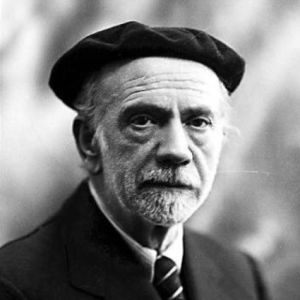
Pío Baroja was a prominent Spanish novelist and a key figure of the Generation of '98, a literary movement concerned with the political and social decline of Spain. Known for his pessimistic outlook and existential themes, his works often depicted disillusionment with society and explored individualism. Among his most famous novels are "The Tree of Knowledge" ("El árbol de la ciencia") and "The Restlessness of Shanti Andía" ("Las inquietudes de Shanti Andía"). His concise, direct style and philosophical depth made him a significant voice in Spanish literature of the early 20th century.
Author's Books:
Sort by:
by:
Pio Baroja
INTRODUCTION PÃo Baroja is a product of the intellectual reign of terror that went on in Spain after the catastrophe of 1898. That catastrophe, of course, was anything but unforeseen. The national literature, for a good many years before the event, had been made dismal by the croaking of Iokanaans, and there was a definite défaitiste party among the intelligentsia. But among the people in...
more...

by:
Pio Baroja
CHAPTER I Preamble—Somewhat Immoral Notions of a Boarding-House Keeper—A Balcony Is Heard Closing—A Cricket Chirps. The clock in the corridor had just struck twelve, in a leisurely, rhythmic, decorous manner. It was the habit of that tall old narrow-cased clock to accelerate or retard, after its own sweet taste and whim, the uniform and monotonous series of hours that encircle our life...
more...
by:
Pio Baroja
I. THE PARIS-VENTIMIGLIA EXPRESSMARSEILLES!The fast Paris-Ventimiglia train, one of the Grand European Expresses, had stopped a moment at Marseilles. It was about seven in the morning of a winter day. The huge cars, with their bevelled-glass windows, dripped water from all parts; the locomotive puffed, resting from its run, and the bellows between car and car, like great accordeons, had black drops...
more...