

Categories
- Antiques & Collectibles 13
- Architecture 36
- Art 48
- Bibles 22
- Biography & Autobiography 815
- Body, Mind & Spirit 145
- Business & Economics 28
- Children's Books 15
- Children's Fiction 12
- Computers 4
- Cooking 94
- Crafts & Hobbies 4
- Drama 346
- Education 63
- Family & Relationships 59
- Fiction 11841
- Foreign Language Study 1
- Games 19
- Gardening 17
- Health & Fitness 35
- History 1382
- House & Home 1
- Humor 147
- Juvenile Fiction 1880
- Juvenile Nonfiction 202
- Language Arts & Disciplines 89
- Law 16
- Literary Collections 687
- Literary Criticism 179
- Mathematics 13
- Medical 43
- Music 40
- Nature 181
- Non-Classifiable 1768
- Performing Arts 7
- Periodicals 1453
- Philosophy 65
- Photography 2
- Poetry 897
- Political Science 205
- Psychology 44
- Reference 154
- Religion 516
- Science 128
- Self-Help 87
- Social Science 83
- Sports & Recreation 34
- Study Aids 3
- Technology & Engineering 60
- Transportation 23
- Travel 463
- True Crime 29
Marcus Dods
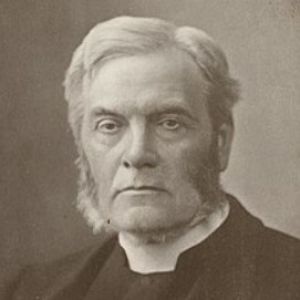
Marcus Dods (1834–1909) was a Scottish theologian, biblical scholar, and writer. He is best known for his work as a translator of significant theological texts, including "The Works of Aurelius Augustine," and for his own writings on biblical criticism. Dods was a prominent figure in the Free Church of Scotland and held a professorship in New Testament Exegesis at New College, Edinburgh. His influential books include "The Parables of Our Lord" and "The Bible: Its Origin and Nature," which reflect his scholarly and thoughtful approach to Christian theology.
Author's Books:
Sort by:
by:
Marcus Dods
This twelfth chapter is the watershed of the Gospel. The self-manifestation of Jesus to the world is now ended; and from this point onwards to the close we have to do with the results of that manifestation. He hides Himself from the unbelieving, and allows their unbelief full scope; while He makes further disclosures to the faithful few. The whole Gospel is a systematic and wonderfully artistic...
more...
by:
Marcus Dods
INTRODUCTORY NOTE. In order to read the Gospel of St. John with some intelligence, it is necessary to understand its purpose and its plan. For in the whole range of literature there is no composition which is a more perfect work of art, or which more rigidly excludes whatever does not subserve its main end. From the first word to the last there is no paragraph, sentence, or expression which is out of...
more...
by:
Marcus Dods
HOW TO BECOME LIKE CHRIST. "But we all, with unveiled face reflecting as a mirror the glory of the Lord, are changed into the same image from glory to glory, even as by the Spirit of the Lord."—2 COR. iii. 18 (Revised Version). I suppose there is almost no one who would deny, if it were put to him, that the greatest possible attainment a man can make in this world is likeness to The Lord...
more...