

Categories
- Antiques & Collectibles 13
- Architecture 36
- Art 48
- Bibles 22
- Biography & Autobiography 816
- Body, Mind & Spirit 145
- Business & Economics 30
- Children's Books 15
- Children's Fiction 12
- Computers 4
- Cooking 94
- Crafts & Hobbies 4
- Drama 346
- Education 64
- Family & Relationships 59
- Fiction 11841
- Foreign Language Study 2
- Games 19
- Gardening 17
- Health & Fitness 35
- History 1383
- House & Home 1
- Humor 147
- Juvenile Fiction 1884
- Juvenile Nonfiction 202
- Language Arts & Disciplines 89
- Law 16
- Literary Collections 687
- Literary Criticism 179
- Mathematics 13
- Medical 43
- Music 40
- Nature 181
- Non-Classifiable 1768
- Performing Arts 7
- Periodicals 1453
- Philosophy 65
- Photography 2
- Poetry 897
- Political Science 205
- Psychology 44
- Reference 154
- Religion 516
- Science 128
- Self-Help 87
- Social Science 83
- Sports & Recreation 34
- Study Aids 3
- Technology & Engineering 60
- Transportation 23
- Travel 463
- True Crime 29
Marcus Andrew Hislop Clarke
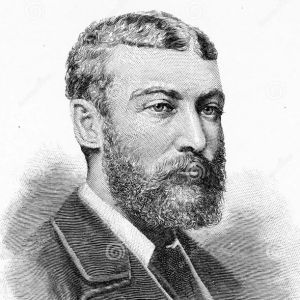
Marcus Andrew Hislop Clarke (1846–1881) was an English-born Australian novelist and journalist, best known for his classic work "For the Term of His Natural Life" (1874), a harrowing tale about the Australian convict system. Clarke emigrated to Australia in 1863, where he pursued a career in writing and became a prominent figure in literary circles. His works often depicted the harsh realities of colonial life and the struggles of convicts, influenced by his experiences and the landscape of Australia. Clarke also contributed to Australian journalism and was regarded as a key figure in the development of Australian literature.
Author's Books:
Sort by:
IN MEMORIAM. (A. L. Gordon.) At rest! Hard by the margin of that seaWhose sounds are mingled with his noble verse,Now lies the shell that never more will houseThe fine, strong spirit of my gifted friend.Yea, he who flashed upon us suddenly,A shining soul with syllables of fire,Who sang the first great songs these lands can claimTo be their own; the one who did not seemTo know what royal place awaited...
more...

PROLOGUE. On the evening of May 3, 1827, the garden of a large red-brick bow-windowed mansion called North End House, which, enclosed in spacious grounds, stands on the eastern height of Hampstead Heath, between Finchley Road and the Chestnut Avenue, was the scene of a domestic tragedy. Three persons were the actors in it. One was an old man, whose white hair and wrinkled face gave token that he was at...
more...