

Categories
- Antiques & Collectibles 13
- Architecture 36
- Art 48
- Bibles 22
- Biography & Autobiography 815
- Body, Mind & Spirit 144
- Business & Economics 28
- Children's Books 15
- Children's Fiction 12
- Computers 4
- Cooking 94
- Crafts & Hobbies 4
- Drama 346
- Education 63
- Family & Relationships 59
- Fiction 11841
- Foreign Language Study 1
- Games 19
- Gardening 17
- Health & Fitness 35
- History 1382
- House & Home 1
- Humor 147
- Juvenile Fiction 1877
- Juvenile Nonfiction 202
- Language Arts & Disciplines 89
- Law 16
- Literary Collections 687
- Literary Criticism 179
- Mathematics 13
- Medical 43
- Music 40
- Nature 181
- Non-Classifiable 1768
- Performing Arts 7
- Periodicals 1453
- Philosophy 65
- Photography 2
- Poetry 897
- Political Science 205
- Psychology 44
- Reference 154
- Religion 516
- Science 128
- Self-Help 86
- Social Science 83
- Sports & Recreation 34
- Study Aids 3
- Technology & Engineering 60
- Transportation 23
- Travel 463
- True Crime 29
Laurence Binyon
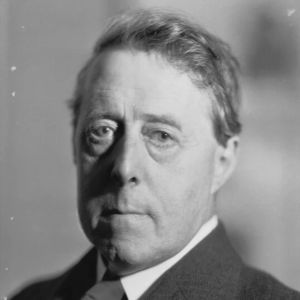
Laurence Binyon (1869–1943) was a British poet, dramatist, and art scholar, best known for his World War I poem "For the Fallen," which honors the sacrifice of soldiers. He worked at the British Museum, specializing in Asian art and writing influential works like "Painting in the Far East." Binyon also authored poetry collections, including "The Winnowing Fan," and wrote plays. His deep knowledge of art and culture extended to translations, most notably his version of Dante's "Divine Comedy."
Author's Books:
Sort by:
by:
Laurence Binyon
PREFACE This little book was written by four friends, three of them under-graduates at Oxford, and all of them penetrated with the spirit of the higher culture of our time. The poems, it is clear, have been carefully selected; and, it is probable, have been diligently polished. There is not one which is not remarkable for delicacy of style and conscious aiming after excellence in art. Whether these...
more...
by:
Laurence Binyon
INTRODUCTION Whatever its outward expression, human thought remains essentially unchanged and, throughout all of its manifestations, is fundamentally the same. Varying phases are but accidents and underneath the divers wrappings of historic periods or different civilizations, the heart as well as the mind of man has been moved by the same desires. Art possesses a unity like that of nature. It is...
more...