

Categories
- Antiques & Collectibles 13
- Architecture 36
- Art 48
- Bibles 22
- Biography & Autobiography 816
- Body, Mind & Spirit 145
- Business & Economics 31
- Children's Books 15
- Children's Fiction 13
- Computers 4
- Cooking 94
- Crafts & Hobbies 4
- Drama 346
- Education 64
- Family & Relationships 61
- Fiction 11845
- Foreign Language Study 2
- Games 19
- Gardening 17
- Health & Fitness 36
- History 1383
- House & Home 1
- Humor 147
- Juvenile Fiction 1884
- Juvenile Nonfiction 202
- Language Arts & Disciplines 89
- Law 16
- Literary Collections 687
- Literary Criticism 179
- Mathematics 13
- Medical 43
- Music 40
- Nature 181
- Non-Classifiable 1768
- Performing Arts 7
- Periodicals 1453
- Philosophy 65
- Photography 2
- Poetry 897
- Political Science 205
- Psychology 44
- Reference 154
- Religion 516
- Science 128
- Self-Help 89
- Social Science 83
- Sports & Recreation 34
- Study Aids 3
- Technology & Engineering 60
- Transportation 23
- Travel 463
- True Crime 29
John Locke
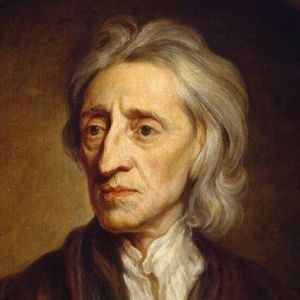
John Locke (1632–1704) was an English philosopher and writer known as one of the most influential Enlightenment thinkers. His most famous works, "Two Treatises of Government" and "An Essay Concerning Human Understanding," laid the foundation for modern political theory and empiricism. Locke argued for the natural rights of life, liberty, and property, and his ideas deeply influenced the development of liberal democracy and the U.S. Constitution. Additionally, he advocated for religious tolerance and the separation of church and state in "A Letter Concerning Toleration."
Author's Books:
Sort by:
by:
John Locke
PREFACE Reader, thou hast here the beginning and end of a discourse concerning government; what fate has otherwise disposed of the papers that should have filled up the middle, and were more than all the rest, it is not worth while to tell thee. These, which remain, I hope are sufficient to establish the throne of our great restorer, our present King William; to make good his title, in the consent of...
more...

by:
John Locke
CHAPTER I. OF WORDS OR LANGUAGE IN GENERAL. 1. Man fitted to form articulated Sounds. God, having designed man for a sociable creature, made him not only with an inclination, and under a necessity to have fellowship with those of his own kind, but furnished him also with language, which was to be the great instrument and common tie of society. Man, therefore, had by nature his organs so fashioned, as...
more...