

Categories
- Antiques & Collectibles 13
- Architecture 36
- Art 48
- Bibles 22
- Biography & Autobiography 816
- Body, Mind & Spirit 145
- Business & Economics 32
- Children's Books 15
- Children's Fiction 13
- Computers 4
- Cooking 94
- Crafts & Hobbies 4
- Drama 346
- Education 68
- Family & Relationships 62
- Fiction 11845
- Foreign Language Study 2
- Games 19
- Gardening 17
- Health & Fitness 36
- History 1383
- House & Home 1
- Humor 147
- Juvenile Fiction 1884
- Juvenile Nonfiction 202
- Language Arts & Disciplines 89
- Law 16
- Literary Collections 687
- Literary Criticism 180
- Mathematics 13
- Medical 43
- Music 40
- Nature 181
- Non-Classifiable 1768
- Performing Arts 7
- Periodicals 1453
- Philosophy 65
- Photography 2
- Poetry 898
- Political Science 206
- Psychology 44
- Reference 154
- Religion 516
- Science 128
- Self-Help 89
- Social Science 84
- Sports & Recreation 34
- Study Aids 3
- Technology & Engineering 60
- Transportation 23
- Travel 463
- True Crime 29
John H. (John Henry) Worst
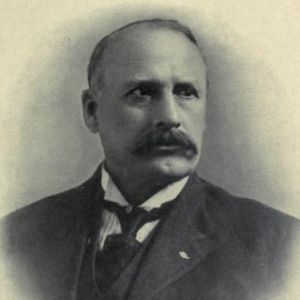
John Henry Worst (1850–1945) was an American educator and writer known for his contributions to education in North Dakota. He served as the president of North Dakota Agricultural College (now North Dakota State University) from 1895 to 1916, shaping its academic programs and infrastructure. Worst also authored several works, including "The Gist of Agriculture" and "Agriculture and Civilization," which explored the relationship between agriculture and societal development. His leadership and writings had a lasting impact on agricultural education and the growth of the college.
Author's Books:
Sort by:
Our ambitious young commonwealth, in conjunction with other states comprising the great Northwest, occupies a commanding position in the industrial and economic affairs of this nation. Mines of gold and silver or forests primeval North Dakota does not have; but from the millions of fertile acres comprising our vast agricultural empire, we may reap a golden harvest every year that will exceed in wealth...
more...
In America we recognize no aristocracy except that of genius or of character. Our countrymen are all citizens. Our government was founded upon the principle that "all men are created free and equal" and though intellectual endowments differ widely in individuals, yet special privileges are accorded to no one as a birthright. Therefore the college graduate, as well as any other aspirant, must...
more...