

Categories
- Antiques & Collectibles 13
- Architecture 36
- Art 48
- Bibles 22
- Biography & Autobiography 816
- Body, Mind & Spirit 145
- Business & Economics 32
- Children's Books 15
- Children's Fiction 13
- Computers 4
- Cooking 94
- Crafts & Hobbies 4
- Drama 346
- Education 69
- Family & Relationships 62
- Fiction 11844
- Foreign Language Study 2
- Games 19
- Gardening 17
- Health & Fitness 36
- History 1383
- House & Home 1
- Humor 147
- Juvenile Fiction 1884
- Juvenile Nonfiction 202
- Language Arts & Disciplines 89
- Law 16
- Literary Collections 687
- Literary Criticism 180
- Mathematics 13
- Medical 43
- Music 40
- Nature 181
- Non-Classifiable 1768
- Performing Arts 7
- Periodicals 1453
- Philosophy 65
- Photography 2
- Poetry 897
- Political Science 208
- Psychology 44
- Reference 154
- Religion 516
- Science 128
- Self-Help 89
- Social Science 84
- Sports & Recreation 34
- Study Aids 3
- Technology & Engineering 60
- Transportation 23
- Travel 463
- True Crime 29
Jesse Walter Fewkes
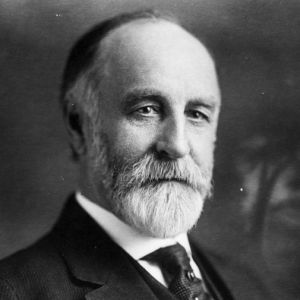
Jesse Walter Fewkes (1850–1930) was an American anthropologist, archaeologist, and writer known for his pioneering work with Native American cultures. He conducted extensive ethnographic and archaeological research, particularly among the Hopi and Zuni tribes, and documented their traditions, ceremonies, and myths. Fewkes published works such as "Hopi Katcinas" and "Tusayan Snake Ceremonies," contributing significantly to the understanding of Native American religious practices. He also played a key role in preserving ancient ruins, notably his excavation and preservation of Mesa Verde and other Southwestern archaeological sites.
Author's Books:
Sort by:
A CONTRIBUTION TO PASSAMAQUODDY FOLK-LORE. The study of aboriginal folk-lore cannot reach its highest scientific value until some method is adopted by means of which an accurate record of the stories can be obtained and preserved. In observations on the traditions of the Indian tribes, the tendency of the listener to add his own thoughts or interpretations is very great. Moreover, no two Indians tell...
more...
INTRODUCTORY NOTE About the close of May, 1895, I was invited to make a collection of objects for the National Museum, illustrating the archeology of the Southwest, especially that phase of pueblo life pertaining to the so-called cliff houses. I was specially urged to make as large a collection as possible, and the choice of locality was generously left to my discretion. Leaving Washington on the 25th...
more...