

Categories
- Antiques & Collectibles 13
- Architecture 36
- Art 48
- Bibles 22
- Biography & Autobiography 816
- Body, Mind & Spirit 145
- Business & Economics 31
- Children's Books 15
- Children's Fiction 13
- Computers 4
- Cooking 94
- Crafts & Hobbies 4
- Drama 346
- Education 64
- Family & Relationships 61
- Fiction 11844
- Foreign Language Study 2
- Games 19
- Gardening 17
- Health & Fitness 35
- History 1383
- House & Home 1
- Humor 147
- Juvenile Fiction 1884
- Juvenile Nonfiction 202
- Language Arts & Disciplines 89
- Law 16
- Literary Collections 687
- Literary Criticism 179
- Mathematics 13
- Medical 43
- Music 40
- Nature 181
- Non-Classifiable 1768
- Performing Arts 7
- Periodicals 1453
- Philosophy 65
- Photography 2
- Poetry 897
- Political Science 205
- Psychology 44
- Reference 154
- Religion 516
- Science 128
- Self-Help 88
- Social Science 83
- Sports & Recreation 34
- Study Aids 3
- Technology & Engineering 60
- Transportation 23
- Travel 463
- True Crime 29
Horatio Hale
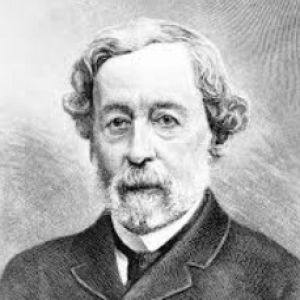
Horatio Hale (1817–1896) was an American-Canadian ethnologist and philologist known for his pioneering work in linguistics and anthropology. He played a significant role in the early study of Native American languages, particularly through his work with the Haida and Iroquois peoples. His most famous publication, "The Iroquois Book of Rites" (1883), documented the oral traditions and ceremonies of the Iroquois Confederacy. Hale's research contributed to the broader understanding of the relationship between language, culture, and society, influencing future scholars like Franz Boas.
Author's Books:
Sort by:

by:
Horatio Hale
A LAWGIVER OF THE STONE AGE. By HORATIO HALE, of Clinton, Ontario,Canada. What was the intellectual capacity of man when he made his first appearance upon the earth? Or, to speak with more scientific precision (as the question relates to material evidences), what were the mental powers of the people who fashioned the earliest stone implements, which are admitted to be the oldest remaining traces of our...
more...

by:
Horatio Hale
CHAPTER I. THE HURON-IROQUOIS NATIONS. At the outset of the sixteenth century, when the five tribes or"nations" of the Iroquois confederacy first became known to Europeanexplorers, they were found occupying the valleys and uplands of northernNew York, in that picturesque and fruitful region which stretcheswestward from the head-waters of the Hudson to the Genesee. The Mohawks,or Caniengas—as...
more...