

Categories
- Antiques & Collectibles 13
- Architecture 36
- Art 48
- Bibles 22
- Biography & Autobiography 816
- Body, Mind & Spirit 145
- Business & Economics 30
- Children's Books 15
- Children's Fiction 13
- Computers 4
- Cooking 94
- Crafts & Hobbies 4
- Drama 346
- Education 64
- Family & Relationships 61
- Fiction 11842
- Foreign Language Study 2
- Games 19
- Gardening 17
- Health & Fitness 35
- History 1383
- House & Home 1
- Humor 147
- Juvenile Fiction 1884
- Juvenile Nonfiction 202
- Language Arts & Disciplines 89
- Law 16
- Literary Collections 687
- Literary Criticism 179
- Mathematics 13
- Medical 43
- Music 40
- Nature 181
- Non-Classifiable 1768
- Performing Arts 7
- Periodicals 1453
- Philosophy 65
- Photography 2
- Poetry 897
- Political Science 205
- Psychology 44
- Reference 154
- Religion 516
- Science 128
- Self-Help 87
- Social Science 83
- Sports & Recreation 34
- Study Aids 3
- Technology & Engineering 60
- Transportation 23
- Travel 463
- True Crime 29
Harry Furniss
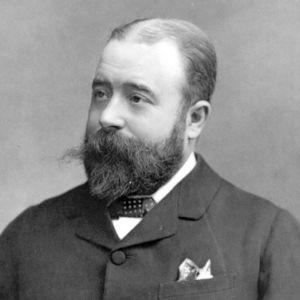
Harry Furniss (1854–1925) was a British illustrator and writer, best known for his work in "Punch" magazine, where he contributed satirical cartoons and illustrations. He also illustrated books for renowned authors, including Charles Dickens and Lewis Carroll, notably illustrating Carroll's "Sylvie and Bruno" (1889) and "Sylvie and Bruno Concluded" (1893). In addition to his artistic work, Furniss wrote several books, such as "Confessions of a Caricaturist" (1901), in which he reflected on his career and experiences. His style blended humor with sharp social commentary, making him a significant figure in Victorian-era illustration.
Author's Books:
Sort by:

by:
Harry Furniss
In the year 1887 he startled the town and made a Society sensation by means of an exceedingly original enterprise which any man of less audacious and prodigious power of work would have shrunk from in its very inception. For years this Titanic task was in hand. This was his celebrated 'artistic joke,' the name given by the 'Times' to a bold parody on a large scale of an average...
more...

by:
Harry Furniss
No description available