

Categories
- Antiques & Collectibles 13
- Architecture 36
- Art 48
- Bibles 22
- Biography & Autobiography 816
- Body, Mind & Spirit 145
- Business & Economics 32
- Children's Books 15
- Children's Fiction 13
- Computers 4
- Cooking 94
- Crafts & Hobbies 4
- Drama 346
- Education 68
- Family & Relationships 62
- Fiction 11845
- Foreign Language Study 2
- Games 19
- Gardening 17
- Health & Fitness 36
- History 1383
- House & Home 1
- Humor 147
- Juvenile Fiction 1884
- Juvenile Nonfiction 202
- Language Arts & Disciplines 89
- Law 16
- Literary Collections 687
- Literary Criticism 180
- Mathematics 13
- Medical 43
- Music 40
- Nature 181
- Non-Classifiable 1768
- Performing Arts 7
- Periodicals 1453
- Philosophy 65
- Photography 2
- Poetry 898
- Political Science 206
- Psychology 44
- Reference 154
- Religion 516
- Science 128
- Self-Help 89
- Social Science 84
- Sports & Recreation 34
- Study Aids 3
- Technology & Engineering 60
- Transportation 23
- Travel 463
- True Crime 29
H. A. (Henry Augustus) Wise
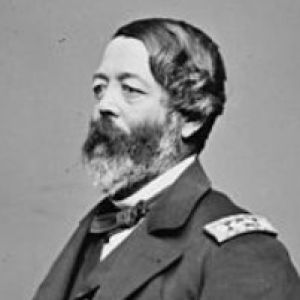
Henry Augustus Wise was a 19th-century American naval officer and author, known for his travel writings and maritime-themed works. He wrote under the pseudonym "Harry Gringo" and gained recognition for books such as "Los Gringos" (1849), which offered a vivid account of his travels through California, Mexico, and South America. Wise's writing combined personal observations with humor and adventure, reflecting the spirit of American exploration during the mid-1800s. His naval career and experiences provided rich material for his literary work, blending fact with fiction.
Author's Books:
Sort by:

CHAPTER I. SPREADING THE STRANDS. “Shout three times three, like Ocean’s surges,Join, brothers, join, the toast with me;Here’s to the wind of life, which urgesThe ship with swelling waves o’er sea!” “Masters, I can not spin a yarnTwice laid with words of silken stuff.A fact’s a fact; and ye may larnThe rights o’ this, though wild and roughMy words may loom. ’Tis your consarn,Not...
more...

CHAPTER I. It was on the last day of summer, 1846, that a large vessel of war lay in the stream of Boston Harbor; presently a dirty little steam tug, all bone and muscle, came burroughing alongside. The boatswain and his mates whistled with their silver pipes, like Canary birds, and the cry went forth, to heave up the anchor. Soon the ponderous grapnell was loosened from its hold, and our pigmy...
more...