

Categories
- Antiques & Collectibles 13
- Architecture 36
- Art 48
- Bibles 22
- Biography & Autobiography 816
- Body, Mind & Spirit 145
- Business & Economics 32
- Children's Books 15
- Children's Fiction 13
- Computers 4
- Cooking 94
- Crafts & Hobbies 4
- Drama 346
- Education 68
- Family & Relationships 62
- Fiction 11845
- Foreign Language Study 2
- Games 19
- Gardening 17
- Health & Fitness 36
- History 1383
- House & Home 1
- Humor 147
- Juvenile Fiction 1884
- Juvenile Nonfiction 202
- Language Arts & Disciplines 89
- Law 16
- Literary Collections 687
- Literary Criticism 180
- Mathematics 13
- Medical 43
- Music 40
- Nature 181
- Non-Classifiable 1768
- Performing Arts 7
- Periodicals 1453
- Philosophy 65
- Photography 2
- Poetry 898
- Political Science 206
- Psychology 44
- Reference 154
- Religion 516
- Science 128
- Self-Help 89
- Social Science 84
- Sports & Recreation 34
- Study Aids 3
- Technology & Engineering 60
- Transportation 23
- Travel 463
- True Crime 29
Giovanni Boccaccio
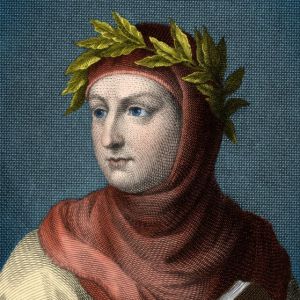
Giovanni Boccaccio (1313–1375) was an Italian writer, poet, and scholar, best known for his influential work "The Decameron." Written during the Black Death, "The Decameron" is a collection of 100 tales told by ten young people seeking refuge from the plague, showcasing Boccaccio's mastery of human psychology and social commentary. He was a key figure in the Italian Renaissance and an important humanist, whose writings bridged medieval and Renaissance literature. Besides "The Decameron," his works include "On Famous Women" and "The Elegy of Lady Fiammetta," both reflecting his wide-ranging literary and historical interests.
Author's Books:
Sort by:
NOVEL I. — Cimon, by loving, waxes wise, wins his wife Iphigenia by capture on the high seas, and is imprisoned at Rhodes. He is delivered by Lysimachus; and the twain capture Cassandra and recapture Iphigenia in the hour of their marriage. They flee with their ladies to Crete, and having there married them, are brought back to their homes. — Many stories, sweet my ladies, occur to me as meet for...
more...
Chapter I Wherein the lady describes who she was, and by what signs her misfortunes were foreshadowed, and at what time, and where, and in what manner, and of whom she became enamored, with the description of the ensuing delight. In the time when the newly-vestured earth appears more lovely than during all the rest of the year came I into the world, begotten of noble parents and born amid the unstinted...
more...