

Categories
- Antiques & Collectibles 13
- Architecture 36
- Art 48
- Bibles 22
- Biography & Autobiography 815
- Body, Mind & Spirit 144
- Business & Economics 28
- Children's Books 15
- Children's Fiction 12
- Computers 4
- Cooking 94
- Crafts & Hobbies 4
- Drama 346
- Education 63
- Family & Relationships 59
- Fiction 11841
- Foreign Language Study 1
- Games 19
- Gardening 17
- Health & Fitness 35
- History 1382
- House & Home 1
- Humor 147
- Juvenile Fiction 1877
- Juvenile Nonfiction 202
- Language Arts & Disciplines 89
- Law 16
- Literary Collections 687
- Literary Criticism 179
- Mathematics 13
- Medical 43
- Music 40
- Nature 181
- Non-Classifiable 1768
- Performing Arts 7
- Periodicals 1453
- Philosophy 65
- Photography 2
- Poetry 897
- Political Science 205
- Psychology 44
- Reference 154
- Religion 516
- Science 128
- Self-Help 86
- Social Science 83
- Sports & Recreation 34
- Study Aids 3
- Technology & Engineering 60
- Transportation 23
- Travel 463
- True Crime 29
G. J. (George John) Whyte-Melville
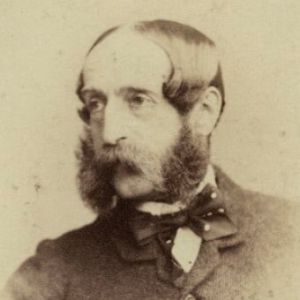
George John Whyte-Melville (1821–1878) was a Scottish novelist and poet known for his adventure and historical fiction, often set in the world of fox-hunting and military life. He was educated at Eton and later joined the British army, where his experiences shaped many of his works. His most famous novels include "Kate Coventry" and "The Gladiators," with the latter exploring ancient Rome. Whyte-Melville was also an avid sportsman and horseman, and he tragically died in a hunting accident.
Author's Books:
Sort by:

CHAPTER I. "Kate," said Aunt Deborah to me as we sat with our feet on the fender one rainy afternoon—or, as we were in London, I should say one rainy morning—in June, "I think altogether, considering the weather and what not, it would be as well for you to give up this Ascot expedition, my dear." I own I felt more than half inclined to cry—most girls would have cried—but Aunt...
more...
CHAPTER I "SMALL AND EARLY" A wild wet night in the Channel, the white waves leaping, lashing, and tumbling together in that confusion of troubled waters, which nautical men call a "cross-sea." A dreary, dismal night on Calais sands: faint moonshine struggling through a low driving scud, the harbour-lights quenched and blurred in mist. Such a night as bids the trim French sentry hug...
more...