

Categories
- Antiques & Collectibles 13
- Architecture 36
- Art 48
- Bibles 22
- Biography & Autobiography 815
- Body, Mind & Spirit 144
- Business & Economics 28
- Children's Books 15
- Children's Fiction 11
- Computers 4
- Cooking 94
- Crafts & Hobbies 4
- Drama 346
- Education 62
- Family & Relationships 59
- Fiction 11837
- Foreign Language Study 1
- Games 19
- Gardening 17
- Health & Fitness 34
- History 1380
- House & Home 1
- Humor 147
- Juvenile Fiction 1873
- Juvenile Nonfiction 202
- Language Arts & Disciplines 89
- Law 16
- Literary Collections 687
- Literary Criticism 179
- Mathematics 13
- Medical 43
- Music 40
- Nature 180
- Non-Classifiable 1768
- Performing Arts 7
- Periodicals 1453
- Philosophy 65
- Photography 2
- Poetry 897
- Political Science 205
- Psychology 44
- Reference 154
- Religion 515
- Science 127
- Self-Help 85
- Social Science 83
- Sports & Recreation 34
- Study Aids 3
- Technology & Engineering 60
- Transportation 23
- Travel 463
- True Crime 29
Elizabeth Robins
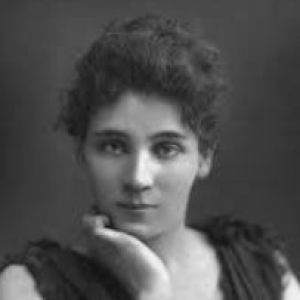
Elizabeth Robins (1862–1952) was an American actress, playwright, novelist, and suffragist known for her contributions to both literature and women's rights. She was a prominent figure in the New Woman movement, and her works often explored feminist themes. One of her most famous novels, "The Convert" (1907), dealt with the suffrage movement and women's struggles for political empowerment. Robins also wrote "Votes for Women!" (1907), a play that was instrumental in advancing the cause of women's suffrage in Britain.
Author's Books:
Sort by:
by:
Elizabeth Robins
CHAPTER I The tall young lady who arrived fifteen minutes before the Freddy Tunbridges' dinner-hour, was not taken into the great empty drawing-room, but, as though she were not to be of the party expected that night, straight upstairs she went behind the footman, and then up more stairs behind a maid. The smart, white-capped domestic paused, and her floating muslin streamers cut short their...
more...
by:
Elizabeth Robins
CHAPTER IWINTER CAMP ON THE YUKON"To labour and to be content with that a man hath is a sweet life; but he that findeth a treasure is above them both."вÐâEcclesiasticus. Of course they were bound for the Klondyke. Every creature in the North-west was bound for the Klondyke. Men from the South too, and men from the East, had left their ploughs and their pens, their factories, pulpits,...
more...