

Categories
- Antiques & Collectibles 13
- Architecture 36
- Art 48
- Bibles 22
- Biography & Autobiography 815
- Body, Mind & Spirit 144
- Business & Economics 28
- Children's Books 15
- Children's Fiction 12
- Computers 4
- Cooking 94
- Crafts & Hobbies 4
- Drama 346
- Education 63
- Family & Relationships 59
- Fiction 11841
- Foreign Language Study 1
- Games 19
- Gardening 17
- Health & Fitness 35
- History 1382
- House & Home 1
- Humor 147
- Juvenile Fiction 1877
- Juvenile Nonfiction 202
- Language Arts & Disciplines 89
- Law 16
- Literary Collections 687
- Literary Criticism 179
- Mathematics 13
- Medical 43
- Music 40
- Nature 181
- Non-Classifiable 1768
- Performing Arts 7
- Periodicals 1453
- Philosophy 65
- Photography 2
- Poetry 897
- Political Science 205
- Psychology 44
- Reference 154
- Religion 516
- Science 128
- Self-Help 86
- Social Science 83
- Sports & Recreation 34
- Study Aids 3
- Technology & Engineering 60
- Transportation 23
- Travel 463
- True Crime 29
E. H. (Emily Hilda) Young
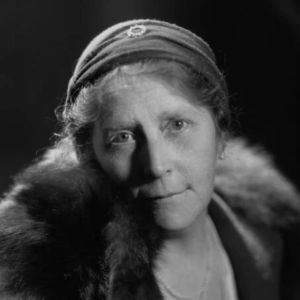
Emily Hilda Young (1880–1949) was a British novelist best known for her finely detailed and psychologically insightful novels set in the early 20th century. Her works often explored the lives of women, moral dilemmas, and the social dynamics of family and community. Some of her notable novels include "Miss Mole," which won the James Tait Black Memorial Prize in 1930, and "William," both of which reflect her deep interest in character development. Young's novels, once popular, fell into relative obscurity but have since been rediscovered for their sharp wit and emotional depth.
Author's Books:
Sort by:
§ 1 On the high land overlooking the distant channel and the hills beyond it, the spring day, set in azure, was laced with gold and green. Gorse bushes flaunted their colour, larch trees hung out their tassels and celandines starred the bright green grass in an air which seemed palpably blue. It made a mist among the trees and poured itself into the ground as though to dye the earth from which...
more...
In the dusk of a spring evening, Helen Caniper walked on the long road from the town. Making nothing of the laden basket she carried, she went quickly until she drew level with the high fir-wood which stood like a barrier against any encroachment on the moor, then she looked back and saw lights darting out to mark the streets she had left behind, as though a fairy hand illuminated a giant...
more...