

Categories
- Antiques & Collectibles 13
- Architecture 36
- Art 48
- Bibles 22
- Biography & Autobiography 815
- Body, Mind & Spirit 145
- Business & Economics 28
- Children's Books 15
- Children's Fiction 12
- Computers 4
- Cooking 94
- Crafts & Hobbies 4
- Drama 346
- Education 63
- Family & Relationships 59
- Fiction 11841
- Foreign Language Study 1
- Games 19
- Gardening 17
- Health & Fitness 35
- History 1382
- House & Home 1
- Humor 147
- Juvenile Fiction 1884
- Juvenile Nonfiction 202
- Language Arts & Disciplines 89
- Law 16
- Literary Collections 687
- Literary Criticism 179
- Mathematics 13
- Medical 43
- Music 40
- Nature 181
- Non-Classifiable 1768
- Performing Arts 7
- Periodicals 1453
- Philosophy 65
- Photography 2
- Poetry 897
- Political Science 205
- Psychology 44
- Reference 154
- Religion 516
- Science 128
- Self-Help 87
- Social Science 83
- Sports & Recreation 34
- Study Aids 3
- Technology & Engineering 60
- Transportation 23
- Travel 463
- True Crime 29
Dutton Cook
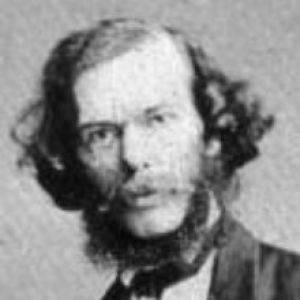
Edward Dutton Cook (1829–1883) was an English writer, journalist, and drama critic known for his works on theater and fiction. He wrote for several periodicals, including the "Pall Mall Gazette" and the "Theatre", where he became a respected voice in theatrical criticism. Cook is the author of several novels, such as "Paul Foster's Daughter" and "Apropos of the Stage", which reflect his deep interest in drama. Additionally, he wrote "Nights at the Play", a collection of essays on theater, and contributed to Victorian literary culture with his detailed historical insights on stagecraft.
Author's Books:
Sort by:
by:
Dutton Cook
CHAPTER I. The man who, having witnessed and enjoyed the earliest performance of Thespis and his company, followed the travelling theatre of that primeval actor and manager, and attended a second and a third histrionic exhibition, has good claim to be accounted the first playgoer. For recurrence is involved in playgoing, until something of a habit is constituted. And usually, we may note, the playgoer...
more...
by:
Dutton Cook
EARLY ART SCHOOLS IN ENGLAND. harles the First appears to have been the first English Sovereign who regarded art, not merely as an aid to the splendour of the throne, but for its own sake. As Walpole says, 'Queen Elizabeth was avaricious with pomp, James the First lavish with meanness.' To neither had the position of the painter been a matter of the slightest concern. But from Charles the...
more...