

Categories
- Antiques & Collectibles 13
- Architecture 36
- Art 48
- Bibles 22
- Biography & Autobiography 816
- Body, Mind & Spirit 144
- Business & Economics 30
- Children's Books 15
- Children's Fiction 12
- Computers 4
- Cooking 94
- Crafts & Hobbies 4
- Drama 346
- Education 64
- Family & Relationships 59
- Fiction 11841
- Foreign Language Study 2
- Games 19
- Gardening 17
- Health & Fitness 35
- History 1383
- House & Home 1
- Humor 147
- Juvenile Fiction 1884
- Juvenile Nonfiction 202
- Language Arts & Disciplines 89
- Law 16
- Literary Collections 687
- Literary Criticism 179
- Mathematics 13
- Medical 43
- Music 40
- Nature 181
- Non-Classifiable 1768
- Performing Arts 7
- Periodicals 1453
- Philosophy 65
- Photography 2
- Poetry 897
- Political Science 205
- Psychology 44
- Reference 154
- Religion 515
- Science 128
- Self-Help 86
- Social Science 83
- Sports & Recreation 34
- Study Aids 3
- Technology & Engineering 60
- Transportation 23
- Travel 463
- True Crime 29
David Henry Keller
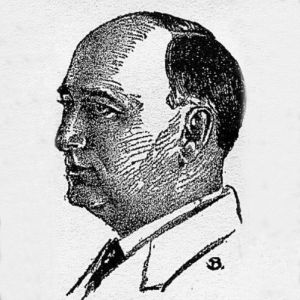
David Henry Keller (1880–1966) was an American writer and psychiatrist known for his work in early science fiction, fantasy, and horror. Keller's stories often explored psychological and sociological themes, reflecting his background in medicine and psychiatry. Some of his notable works include "The Human Termites" and "The Eternal Conflict," both of which gained recognition in pulp magazines such as "Amazing Stories". Keller's contributions to the genre helped shape early speculative fiction, and he remains an influential figure in the history of science fiction.
Author's Books:
Sort by:

Richard Moyer, senior partner of the firm of Moyer & Perkins, read that letter over twice before he called in the man who had helped him make the importing of high grade groceries from England a most profitable business for over twenty years. He simply handed the letter over to Paul Perkins without a word of explanation. The latter read it through and handed it back in equal silence, but the hand...
more...

The man tried his best to sell me the house. He was confident that I would like it. Repeatedly he called my attention to the view. There was something in what he said about the view. The villa on the top of a mountain commanded a vision of the valley, vine-clad and cottage-studded. It was an irregular bowl of green, dotted with stone houses which were whitewashed to almost painful brilliancy. The...
more...