

Categories
- Antiques & Collectibles 13
- Architecture 36
- Art 48
- Bibles 22
- Biography & Autobiography 816
- Body, Mind & Spirit 145
- Business & Economics 30
- Children's Books 15
- Children's Fiction 13
- Computers 4
- Cooking 94
- Crafts & Hobbies 4
- Drama 346
- Education 64
- Family & Relationships 61
- Fiction 11842
- Foreign Language Study 2
- Games 19
- Gardening 17
- Health & Fitness 35
- History 1383
- House & Home 1
- Humor 147
- Juvenile Fiction 1884
- Juvenile Nonfiction 202
- Language Arts & Disciplines 89
- Law 16
- Literary Collections 687
- Literary Criticism 179
- Mathematics 13
- Medical 43
- Music 40
- Nature 181
- Non-Classifiable 1768
- Performing Arts 7
- Periodicals 1453
- Philosophy 65
- Photography 2
- Poetry 897
- Political Science 205
- Psychology 44
- Reference 154
- Religion 516
- Science 128
- Self-Help 87
- Social Science 83
- Sports & Recreation 34
- Study Aids 3
- Technology & Engineering 60
- Transportation 23
- Travel 463
- True Crime 29
Benson John Lossing
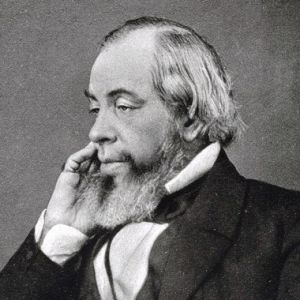
Benson John Lossing (1813–1891) was an American historian, wood engraver, and author known for his works on American history, particularly the American Revolution and the Civil War. His most famous works include "Pictorial Field Book of the Revolution" and "Pictorial Field Book of the Civil War," both richly illustrated with his own engravings. Lossing's detailed accounts, accessible writing style, and illustrations made history more engaging and visually appealing to the general public. He also contributed to historical preservation, promoting awareness of early American heritage and landmarks.
Author's Books:
Sort by:
CHAPTER I. washington receives cheering news from greene—siege of fort ninety-six—success of partisan corps elsewhere—capture of augusta by the americans—rawdon approaches ninety-six—greene abandons the siege—rawdon retires to orangeburg followed by greene—greene encamps on the high hills of santee—stewart and cruger at orangeburg—rawdon goes to england—battle at eutaw...
more...