

Categories
- Antiques & Collectibles 13
- Architecture 36
- Art 48
- Bibles 22
- Biography & Autobiography 815
- Body, Mind & Spirit 144
- Business & Economics 28
- Children's Books 15
- Children's Fiction 12
- Computers 4
- Cooking 94
- Crafts & Hobbies 4
- Drama 346
- Education 63
- Family & Relationships 59
- Fiction 11841
- Foreign Language Study 1
- Games 19
- Gardening 17
- Health & Fitness 35
- History 1382
- House & Home 1
- Humor 147
- Juvenile Fiction 1877
- Juvenile Nonfiction 202
- Language Arts & Disciplines 89
- Law 16
- Literary Collections 687
- Literary Criticism 179
- Mathematics 13
- Medical 43
- Music 40
- Nature 181
- Non-Classifiable 1768
- Performing Arts 7
- Periodicals 1453
- Philosophy 65
- Photography 2
- Poetry 897
- Political Science 205
- Psychology 44
- Reference 154
- Religion 516
- Science 128
- Self-Help 86
- Social Science 83
- Sports & Recreation 34
- Study Aids 3
- Technology & Engineering 60
- Transportation 23
- Travel 463
- True Crime 29
Arthur Henry Howard Heming
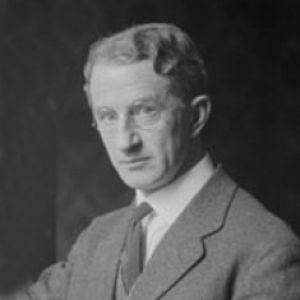
Arthur Henry Howard Heming (1870–1940) was a Canadian author, artist, and illustrator known for his depictions of Canada's wilderness. He wrote adventure novels like "The Drama of the Forests" and "Spirit Lake," which explored the rugged landscapes and experiences of trappers and frontiersmen. Heming also worked as an illustrator for several Canadian magazines, often incorporating wildlife and northern scenes into his art. His vivid descriptions and dramatic storytelling contributed to popular perceptions of Canada’s untamed wilderness.
Author's Books:
Sort by:
I HER FATHER THE FREE TRADER It was September 9, 189-. From sunrise to sunset through mist, sunshine, shower, and shadow we travelled, and the nearer we drew to our first destination, the wilder the country became, the more water-fowl we saw, and the more the river banks were marked with traces of big game. Here signs told us that three caribou had crossed the stream, there muddy water was still...
more...
The picturesque figure of the trapper follows close behind the Indian in the unfolding of the panorama of the West. There is the explorer, but the trapper himself preceded the explorers—witness Lewis's and Clark's meetings with trappers on their journey. The trapper's hard-earned knowledge of the vast empire lying beyond the Missouri was utilized by later comers, or in a large part...
more...