

Categories
- Antiques & Collectibles 13
- Architecture 36
- Art 48
- Bibles 22
- Biography & Autobiography 815
- Body, Mind & Spirit 145
- Business & Economics 28
- Children's Books 15
- Children's Fiction 12
- Computers 4
- Cooking 94
- Crafts & Hobbies 4
- Drama 346
- Education 63
- Family & Relationships 59
- Fiction 11841
- Foreign Language Study 1
- Games 19
- Gardening 17
- Health & Fitness 35
- History 1382
- House & Home 1
- Humor 147
- Juvenile Fiction 1880
- Juvenile Nonfiction 202
- Language Arts & Disciplines 89
- Law 16
- Literary Collections 687
- Literary Criticism 179
- Mathematics 13
- Medical 43
- Music 40
- Nature 181
- Non-Classifiable 1768
- Performing Arts 7
- Periodicals 1453
- Philosophy 65
- Photography 2
- Poetry 897
- Political Science 205
- Psychology 44
- Reference 154
- Religion 516
- Science 128
- Self-Help 87
- Social Science 83
- Sports & Recreation 34
- Study Aids 3
- Technology & Engineering 60
- Transportation 23
- Travel 463
- True Crime 29
Alfred Perceval Graves
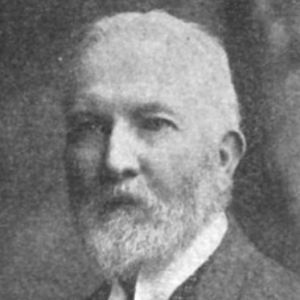
Alfred Perceval Graves (1846–1931) was an Irish poet, songwriter, and folklorist known for his contributions to Irish literature and culture. He played a significant role in the Celtic Revival and was a strong advocate for preserving Irish folk traditions. Graves is best known for his collection of Irish songs and ballads, such as "Irish Songs and Ballads" (1880) and "Songs of Old Ireland" (1882). He was also the father of renowned war poet Robert Graves.
Author's Books:
Sort by:
Preface Irish Fairy Lore has well been called by Mr. Alfred Nutt, one of the leading authorities on the subject, “As fair and bounteous a harvest of myth and romance as ever flourished among any race,” and Dr. Joyce, the well-known Irish scholar and historian, states: “that it is very probable that the belief in the existence of fairies came in with the earliest colonists that entered Ireland,...
more...
THE ISLE OF THE HAPPY (From the Early Irish) Once when Bran, son of Feval, was with his warriors in his royal fort, they suddenly saw a woman in strange raiment upon the floor of the house. No one knew whence she had come or how she had entered, for the ramparts were closed. Then she sang these quatrains of Erin, the Isle of the Happy, to Bran while all the host were listening:A branch I bear from...
more...