

Categories
- Antiques & Collectibles 13
- Architecture 36
- Art 48
- Bibles 22
- Biography & Autobiography 815
- Body, Mind & Spirit 144
- Business & Economics 28
- Children's Books 15
- Children's Fiction 12
- Computers 4
- Cooking 94
- Crafts & Hobbies 4
- Drama 346
- Education 63
- Family & Relationships 59
- Fiction 11841
- Foreign Language Study 1
- Games 19
- Gardening 17
- Health & Fitness 35
- History 1382
- House & Home 1
- Humor 147
- Juvenile Fiction 1877
- Juvenile Nonfiction 202
- Language Arts & Disciplines 89
- Law 16
- Literary Collections 687
- Literary Criticism 179
- Mathematics 13
- Medical 43
- Music 40
- Nature 181
- Non-Classifiable 1768
- Performing Arts 7
- Periodicals 1453
- Philosophy 65
- Photography 2
- Poetry 897
- Political Science 205
- Psychology 44
- Reference 154
- Religion 516
- Science 128
- Self-Help 86
- Social Science 83
- Sports & Recreation 34
- Study Aids 3
- Technology & Engineering 60
- Transportation 23
- Travel 463
- True Crime 29
Alfred Lichtenstein
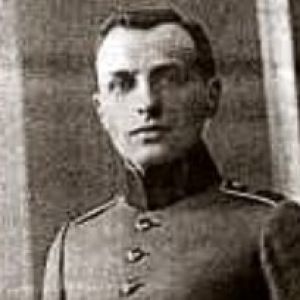
Alfred Lichtenstein (1889–1914) was a German Expressionist writer and poet, known for his vivid and often grotesque depictions of modern urban life. His work captured the angst and absurdity of existence, influenced by the social unrest and tensions of pre-World War I Europe. One of his most famous works is the poem "Die Dämmerung" ("Twilight"), which exemplifies his pessimistic and darkly humorous style. Lichtenstein tragically died at the age of 25 during World War I, leaving behind a brief but influential body of work that resonated with the disillusionment of his generation.
Author's Books:
Sort by:
I Because I believe that many do not understand the verse ofLichtenstein, do not correctly understand, do not clearly understand— II The first eighty poems are lyric. In the usual sense. They are not much different from poetry that praises gardens. The content is the distress of love, death, universal longing. The impulse to formulate them in the "cynical" vein (like cabaret songs) may, for...
more...
The Winner Max Mechenmal was an independent manager of a newspaper kiosk. He ate and drank well; he had relations with many women, but he was careful. Because his salary was insufficient, he occasionally permitted himself to take money from Ilka Leipke. Ilka Leipke was an unusually small, but well-developed, elegant whore, who attracted many men and women with her bizarre nature and apparently silly...
more...